If you are planning to sell in Vero Beach, timing can shape more than just your listing date. It can influence how many buyers see your home, how showings fit into your schedule, and how much patience you may need once you hit the market. The good news is that Vero Beach has clear seasonal patterns, and understanding them can help you plan with more confidence. Let’s dive in.
Why Vero Beach timing is seasonal
Vero Beach does not move on the exact same rhythm as every other Florida market. Indian River County planning documents identify a large population of part-time residents, with county projections estimating 18,340 part-time residents in 2025. County transportation planning also notes that the population rises significantly in winter because of seasonal residents and tourists.
That matters if you are selling. More people in town often means more eyes on listings, more open house traffic, and more potential buyers actively comparing homes. In Vero Beach, that seasonal lift is a real part of the selling timeline.
The local tourism pattern reinforces that trend. Visit Indian River County identifies December through February as a major event period, and the county tourism council reported that December is the highest visitation month while September is the lowest. For many sellers, that makes late fall through winter the strongest exposure window.
Winter often brings the most visibility
If your goal is to capture snowbird and visitor attention, winter is usually the clearest opportunity. Seasonal residents are back in town, visitor activity is stronger, and local event programming is active. That combination can create better visibility for new listings.
This does not mean every home will sell faster in winter. Indian River County was described as a balanced market in March 2026, with a median of 74 days on market and homes selling for an average of 3.48% below asking, according to Realtor.com. In other words, timing helps, but pricing and presentation still matter.
Redfin paints a similar picture for Vero Beach. It reports that the market is not very competitive, with homes averaging about 120 days on market, a 94.5% sale-to-list ratio, and 44.9% of homes taking price drops. That is a reminder that even in the best seasonal window, sellers still need a realistic plan.
What winter timing can do
Winter can help you:
- Reach more part-time residents while they are in town
- Benefit from stronger visitor traffic, especially around December
- Launch during a period when local attention is naturally higher
- Create a better fit for second-home and lifestyle-driven buyers
The main takeaway is simple: winter can improve exposure, but it is not a substitute for smart pricing, thoughtful prep, and strong marketing.
Spring can still be a solid option
Spring is often talked about as the default selling season, but in Vero Beach it is better viewed as a good option, not a universal rule. If your home is ready and current market conditions support your price, a spring launch can still work well.
In a balanced market, readiness matters as much as the calendar. If you wait for a “perfect” season but miss the moment when your home shows best or fits your own moving plans, that delay may not help you. The right timing is the one that lines up with your goals, your home’s condition, and current local inventory.
For some sellers, spring offers a practical middle ground. You may still benefit from momentum left over from winter traffic, while avoiding some of the complications that can come later in the year.
Summer demand looks different
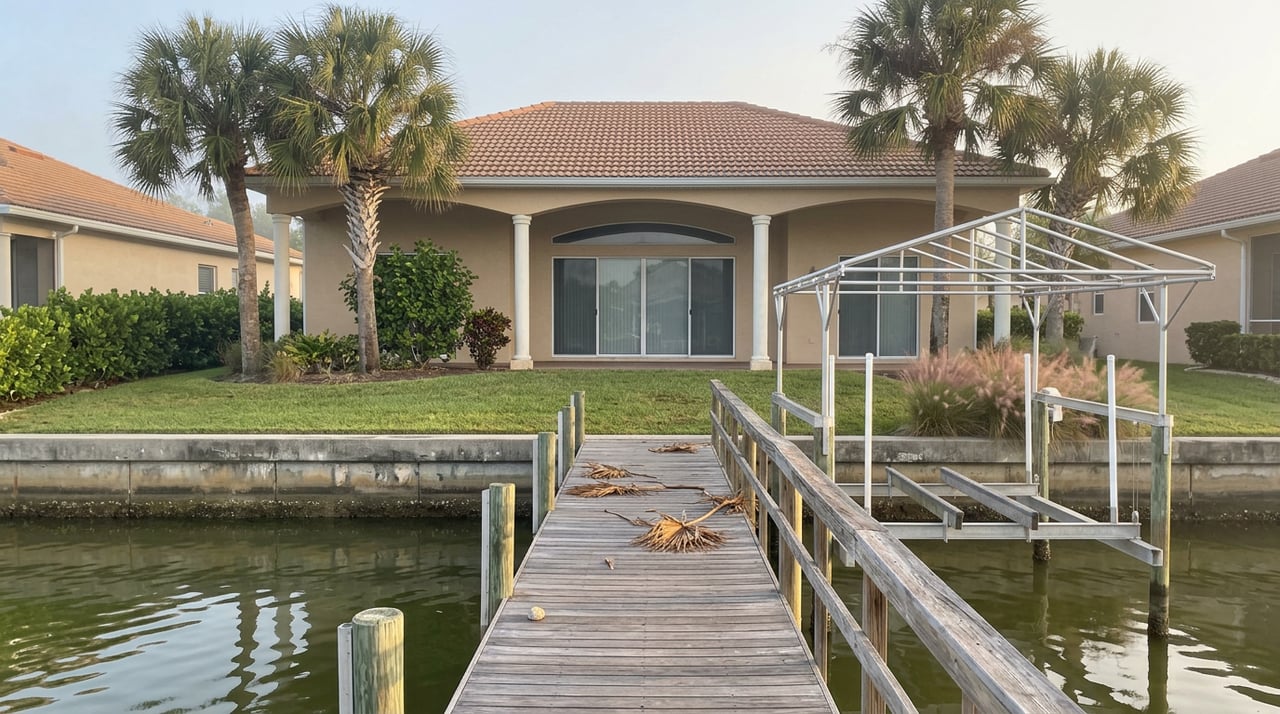
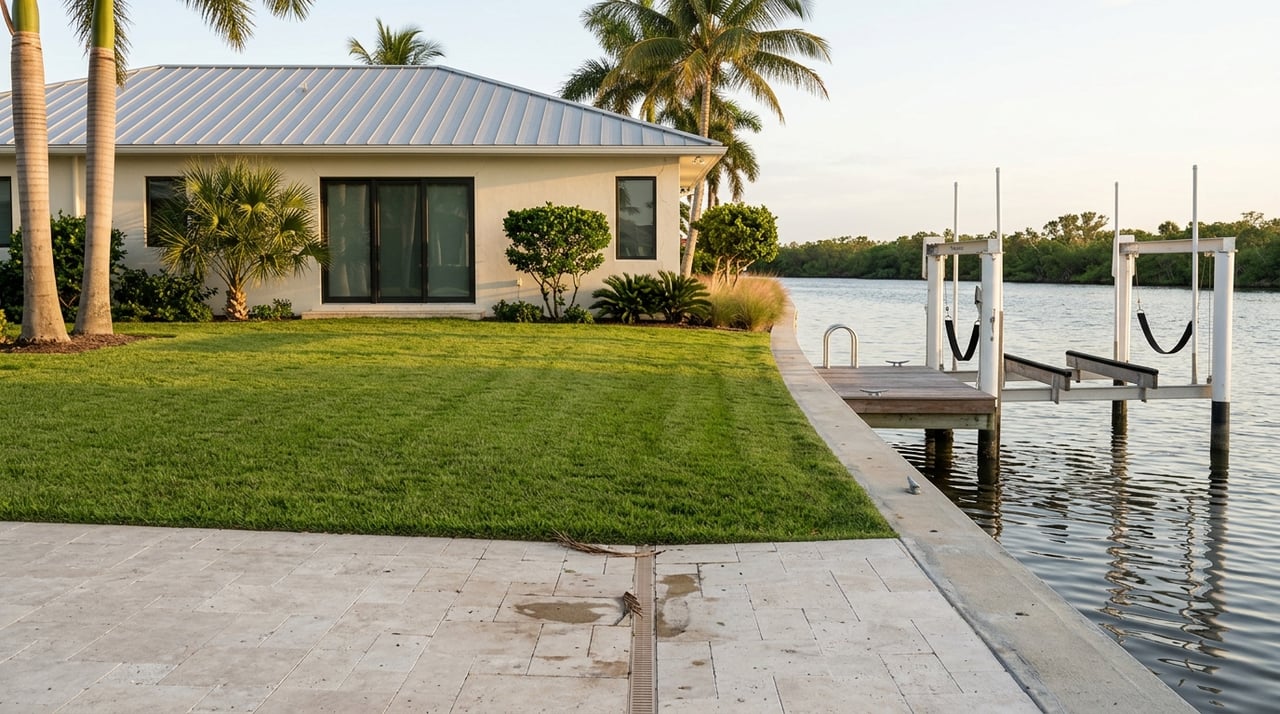
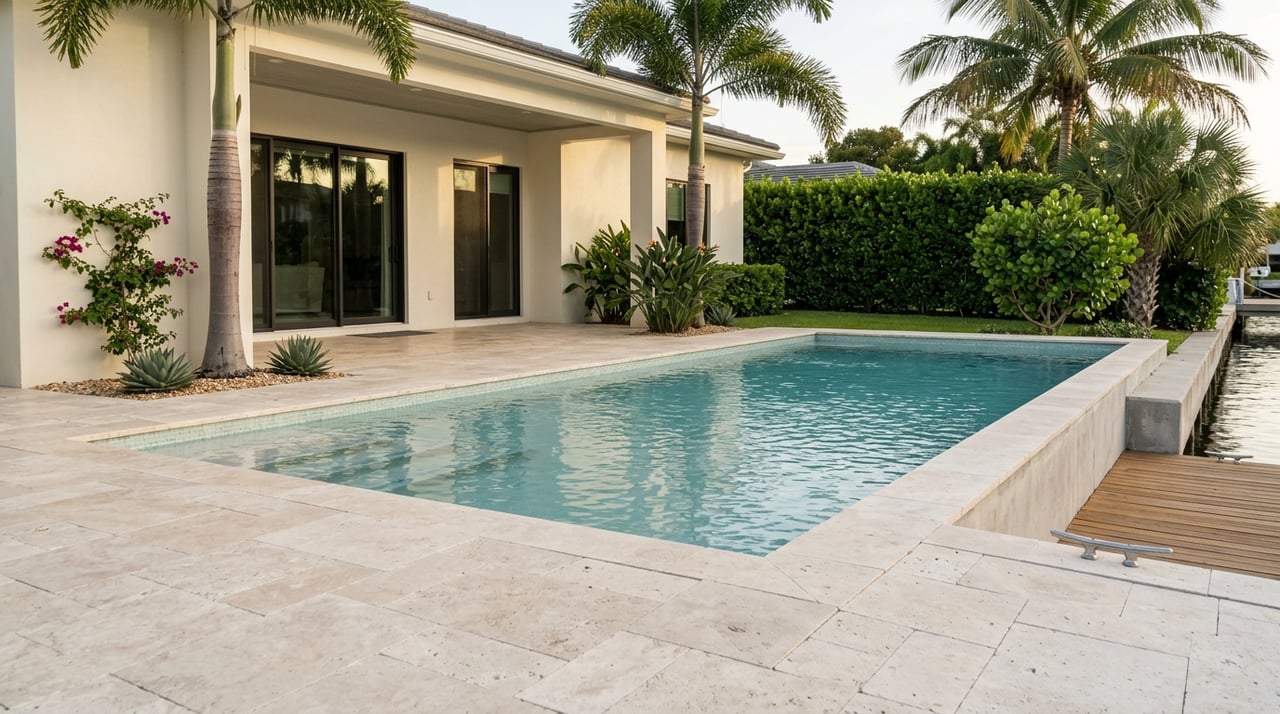
Summer is not necessarily slow in Vero Beach, but the demand mix can change. Visit Indian River County notes that boating is a year-round activity and becomes especially active in summer. That can matter if you are selling a waterfront or coastal lifestyle property.
A summer buyer may be motivated by a different vision than a winter buyer. Instead of seasonal residency and visitor overflow, summer interest may be more tied to boating, waterfront access, and active use of the area. That is why some homes can still perform well outside the winter peak.
Homes that may benefit from summer interest
Summer can make sense for:
- Waterfront properties
- Coastal homes with strong outdoor living features
- Listings that appeal to boating-oriented buyers
- Sellers who miss the winter window but still want market exposure before fall
Even so, summer usually requires careful planning. It is not just about demand. It is also about weather, maintenance, and keeping your home ready for showings.
Early fall can be the toughest stretch
If you are deciding when to list, early fall deserves extra thought. The county tourism council identified September as the lowest visitation month. That suggests sellers may see less natural foot traffic than they would during winter.
This does not mean you should never list in September or early fall. It does mean you should be realistic about the timeline and make sure your pricing and presentation are especially sharp. If buyer activity is lighter, your home may need more time and a more strategic launch.
For sellers with flexibility, it may make sense to spend late summer and early fall getting everything ready so the property is fully prepared for a late-fall or winter debut.
Hurricane season affects seller logistics
In Florida, weather is part of the timeline conversation. NOAA states that the Atlantic hurricane season runs from June 1 through November 30, with peak tropical activity generally occurring in August, September, and October.
If you plan to list during summer or early fall, that does not automatically create a problem. It does mean you should think through the practical side of selling. Storm prep, property maintenance, insurance checks, and showing logistics become more important during that stretch of the year.
This is especially relevant if you spend part of the year away from Vero Beach. A home that is empty or only lightly monitored may be harder to keep show-ready during a weather-sensitive season. Sellers in that position often benefit from finishing repairs, photography, pricing decisions, and home prep before they leave town.
Questions to ask before a summer or fall launch
Before listing during hurricane season, consider:
- Is the home fully maintained and storm-ready?
- Can you respond quickly if weather disrupts showings?
- Will the property stay clean and presentation-ready if you are away?
- Are pricing, photos, and marketing materials complete before the season gets busy?
These details may sound small, but they can affect how smooth your sale feels.
Not every Vero Beach home follows the same timeline
One of the most important things to remember is that Vero Beach is not one single market. ZIP-level data show meaningful differences even within the area.
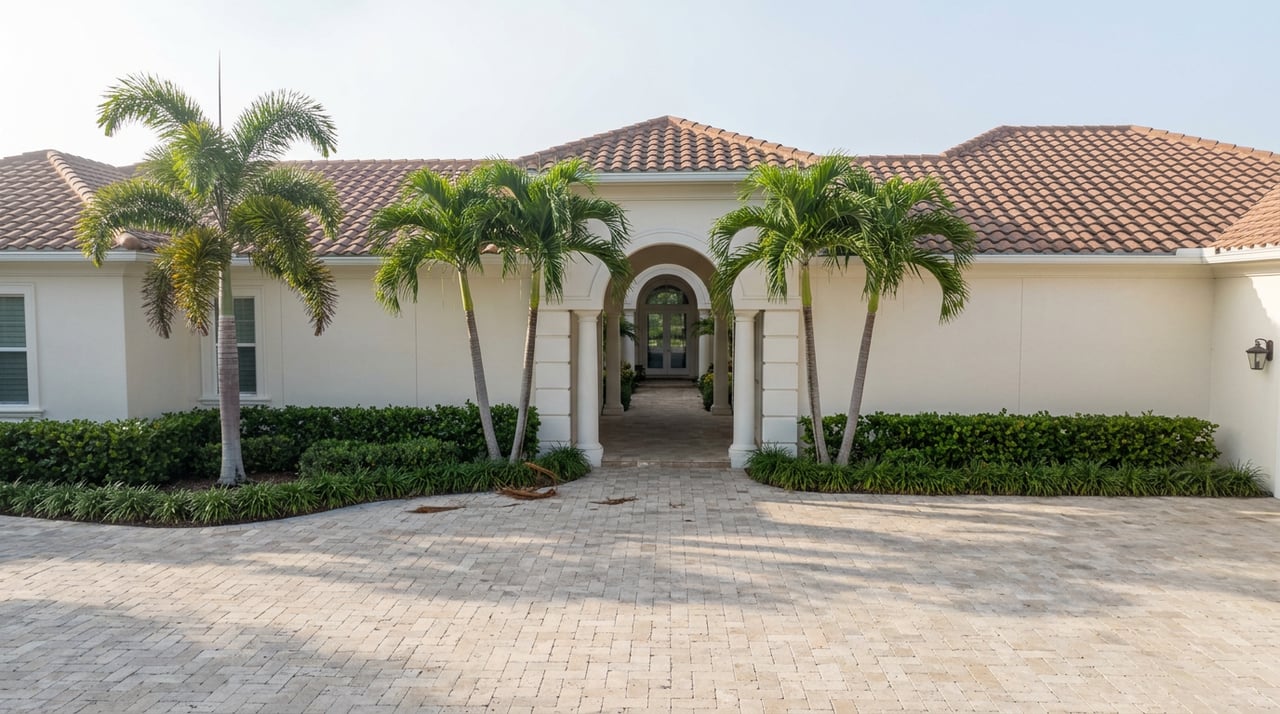
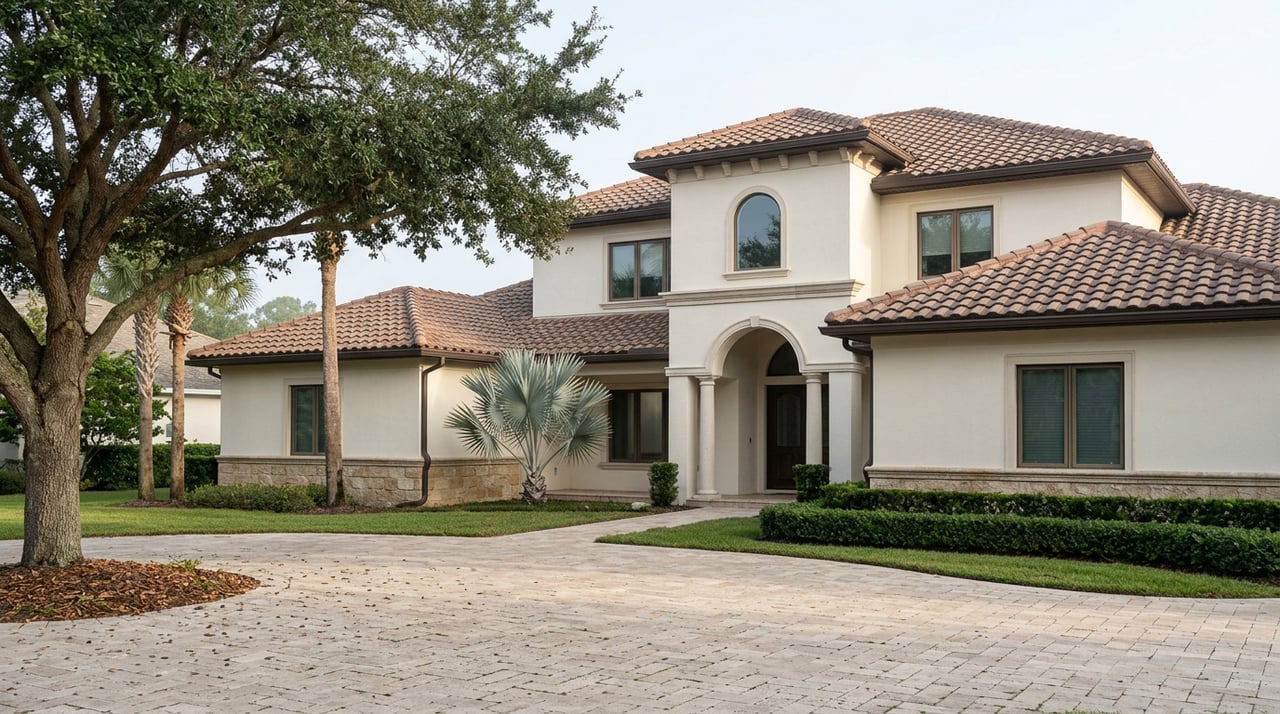
Realtor.com reports that ZIP code 32963 has a median listing price of $1.15 million and 89 days on market, while 32960 shows a median listing price of $285,000 and 68 days on market. That gap suggests that higher-priced beachside inventory may need a longer runway than more moderately priced mainland homes.
This is why broad advice like “list in spring” or “wait for winter” can miss the mark. A beachside luxury property, a condo, and a mainland single-family home may each attract buyers on different timelines. The smartest strategy depends on your price point, location, and buyer pool.
Why premium coastal homes may need more runway
Higher-priced coastal listings often need:
- More time to reach the right buyer
- A polished presentation from day one
- Strategic pricing based on current competition
- Patience if the buyer pool is narrower
For these homes, the goal is not only to launch in a strong season. It is to launch prepared.
How to build a smarter selling timeline
A strong Vero Beach selling plan starts before your home goes live. In a market where homes may sit for weeks or months, preparation can make a meaningful difference.
Start by working backward from the season you want to target. If winter exposure is your goal, you may need to complete repairs, decluttering, staging decisions, photography, and pricing strategy in late fall or even earlier. If you wait until the busiest season to begin prep, you may miss part of the window.
Here is a simple way to think about it:
| Selling Goal | Best Planning Approach |
|---|---|
| Capture winter demand | Prep in fall and launch before or during peak visitor season |
| List in spring | Use winter to finalize repairs, pricing, and marketing |
| Sell in summer | Highlight lifestyle features and plan for weather logistics |
| Launch in early fall | Price carefully and expect less seasonal foot traffic |
The key is to match the launch to your life as well as the market. Your travel schedule, occupancy plans, and home condition all matter.
The real takeaway for Vero Beach sellers
Seasonality in Vero Beach is real, but it is not a guarantee. Winter often brings the most natural exposure because seasonal residents and visitors are more present, while summer may favor lifestyle-driven demand and early fall may bring less traffic. At the same time, today’s balanced market means buyers are still price-sensitive, and many listings need patience.
That is why the best listing date is rarely just about the calendar. It is about choosing a launch window that fits your home, your goals, and the current market data. When you plan ahead and stay realistic, you give yourself a much better chance of a smooth, well-timed sale.
If you are thinking about selling in Vero Beach or anywhere along the Treasure Coast, Danielle M. Reidy can help you build a smart timeline, prepare your home for the market, and make each step feel more manageable.
FAQs
When is demand usually strongest for sellers in Vero Beach?
- Demand is typically strongest in winter, especially around December through February, when seasonal residents are in town and visitor activity is higher.
Is spring still a good time to list a home in Vero Beach?
- Yes. Spring can still be a solid time to list, especially if your home is ready and your pricing matches current local market conditions.
Does hurricane season matter when selling a Vero Beach home?
- Yes. Hurricane season can affect maintenance, storm prep, and showing logistics, especially if you are away from the property for part of the year.
Do beachside and mainland Vero Beach homes sell on the same timeline?
- No. Local data show differences by ZIP code, which suggests beachside and higher-priced homes may need more time than some mainland properties.
What is the best high-level strategy for timing a Vero Beach home sale?
- Use seasonality as a guide, not a guarantee, and choose a launch date that fits your home’s condition, your schedule, and the most current local market data.