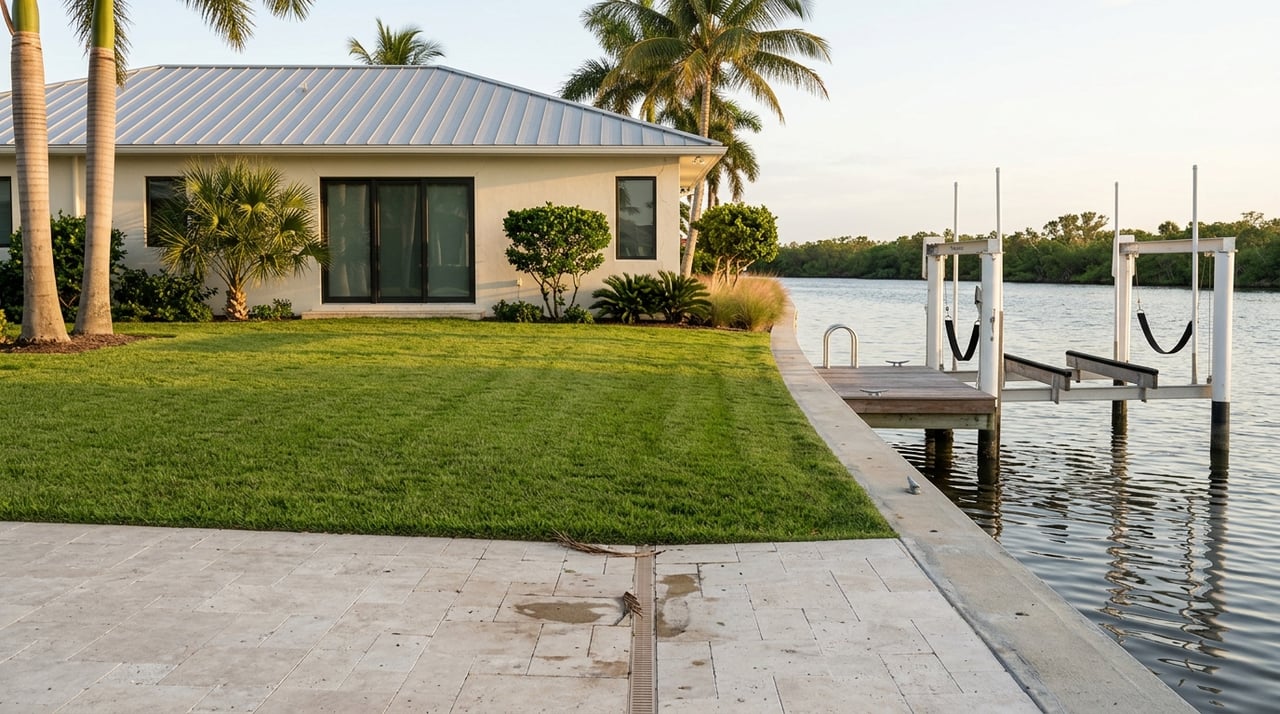
Winter is the season Central Beach is famous for. Summer is the one it was actually built for. When the seasonal crowd thins after Easter, the corridor between Beachland Boulevard and Humiston Park stops functioning as a destination and starts functioning as a neighborhood, which is how the merchants along Ocean Drive and Cardinal Drive have always described it in private.
This year the shift arrives with a specific inflection point. The block that has anchored Cardinal Drive dinner traffic for years is about to go quiet, the dune work that closed part of Humiston through March is behind us, and a handful of newer openings have quietly rebalanced the walking map. If you already live here, the summer worth planning is not the one the visitor guides describe.
The Cardinal Drive Vacancy Is the Season's Real Story
The Tides has scrapped its planned relocation, and has instead decided to close for the months of August and September for a refresh. The staple in town will remain and has assured its charm will be retained, and improved.
Cardinal Drive has functioned for a decade as the quieter dinner alternative to Ocean Drive, one street inland, favored by people who wanted to walk from home without threading tourist traffic. Losing the corridor's most-booked room for even a few months redirects reservations east onto Ocean Drive itself, where Ocean Grill, Citrus Grillhouse, and Nino's Café will absorb the demand. Citrus and Nino's Café both border Humiston directly, which means the summer walking pattern most residents actually use, sand to table without a car, gets more concentrated, not less.
The corollary matters for anyone whose weekly rhythm depends on parking. Saturday farmers market mornings and dinner hours are already the peak pressure points along Ocean Drive, where street and lot spaces carry two- to three-hour limits and the city has reviewed enforcement as demand has grown. Expect the pressure to run later into the evening than it did last summer.
Humiston Is Back to Full Access
The winter's most visible piece of civic work is finished. The city closed the northern portion of Humiston Beach Park on February 17, 2026 for Sector 5 hurricane restoration, with sand placement and staging planned through March 31, and warned of parking and access impacts during that window. Both are behind us for the season.
What that means in practice is that the park's grassed shoulder, boardwalk, and pavilions are all usable again through the summer calendar, and the sand profile is deeper than it has been in two years. The playground, showers, and lifeguard stand read the same as before. The difference is under your feet.
The Weekly Rhythm Locals Actually Keep
If you strip the season down to what repeats every week, the map is surprisingly small. Six blocks does most of the work.
- Saturday mornings, 8 a.m. to noon. The Vero Beach Farmer's Market runs at Humiston on Saturdays from 8 a.m. to noon, and the corridor's parking pressure is highest during that window. Walk or bring the golf cart.
- Second Saturdays. The Vero Beach Museum of Art offers free admission on the second Saturday of each month, which is the easiest inland pivot when the sand gets too hot by 11.
- Once a month at Humiston, 5 to 8 p.m. The Vero Beach Chamber's Sunset Saturdays free concert series runs on Ocean Drive by Humiston Park, with a local band, food, beverage, and vendor booths, and the concerts typically run from 5 to 8 p.m. Residents bring beach chairs; visitors don't know it exists.
- Any weeknight. Riverside Theatre's summer programming, a short drive inland, is the reliable indoor option when the afternoon storms roll through.
The best thing about Central Beach in July is that everything you use is on foot, everything you skip is on foot too, and the difference is entirely up to you.
What Reopened, What's New, and What's Still the Baseline
The retail spine is unusually stable. Corey's Pharmacy has served the island since 1956, and the store sits right at the entrance to Humiston Park, working as both a functioning pharmacy and an old-school coastal gift shop. That kind of double-duty storefront is why the corridor still feels like a neighborhood in August, when a tourist-only strip would empty out.
The clothing side has more turnover but a clear pecking order. Twig has been named "Vero's Favorite Beach Shop" by Coastal Living and is where locals head for premium swimwear, with a curated selection of hard-to-find swim brands. Treasure Lane, The Laughing Dog Gallery, and the Vero Beach Book Center round out the walkable inventory. Newer arrivals include Vero Grounds Coffee Bar, a new spot on the beach with a small retail area for clothing and a separate coffee bar, which quietly changes the morning walking route for anyone who used to start the day inland.
The broader dining scene has more motion than usual. A February 2026 Visit Indian River County roundup counted more than 11 new restaurants opening across the county in the previous six months, one of the most active growth periods in the five years the roundup has run. Most of those openings are inland, not on the corridor, which is the more interesting fact. The barrier island is holding its roster while the mainland absorbs the new energy.
The Barefoot Lunch Question
The single question that comes up more than any other from residents in July is where to eat after the beach without changing clothes. The answer has always been the same three or four rooms, and this summer it stays that way. Heaton's Reef at the Vero Beach Hotel and Spa handles the walk-from-the-sand lunch with upscale bites and live oceanfront music. Citrus Grillhouse and Ocean Grill hold the sit-down slots at the north and south ends of the corridor. Waldo's at the Driftwood remains the outlier for anyone who wants old Vero atmosphere over a polished dining room.
For the evening pivot, Cuvée & Co. is the pre-dinner wine tasting stop, and they serve gourmet potato chips with wine. Bobby's is still the martini answer. None of these are new. That's the point. The corridor's summer identity depends on its returning cast more than on its openings.
What the Season Actually Reveals
Every barrier-island market in Florida claims to be walkable. Central Beach's claim is unusual because it survives the test that matters, which is what happens when the winter population leaves. Winters bring more visitors and activity; summers slow down, with warm mornings, afternoon thunderstorms, and quieter evenings. The corridor keeps functioning at that lower volume because the shops, the pharmacy, the museum, the concerts, and the farmers market are all built for residents first.
If you moved here for the winter and you are spending your first full summer on the island, the pattern to notice is how much of your week runs inside those six blocks without ever requiring the car. That is the reason people who buy here rarely sell, and it is easier to see in July than in February.
When the Corridor Becomes the Deciding Factor
If summer confirms that Central Beach fits the life you want, or if it clarifies that the next move is a different footprint on the same island, the conversation is worth having before the fall calendar reshapes inventory. Danielle M. Reidy works with buyers and sellers across the Treasure Coast with a calm, organized approach to what is often an emotionally loaded decision. Request a Free Market Analysis for an honest read on where your address sits in the current market and what a considered next step would look like.