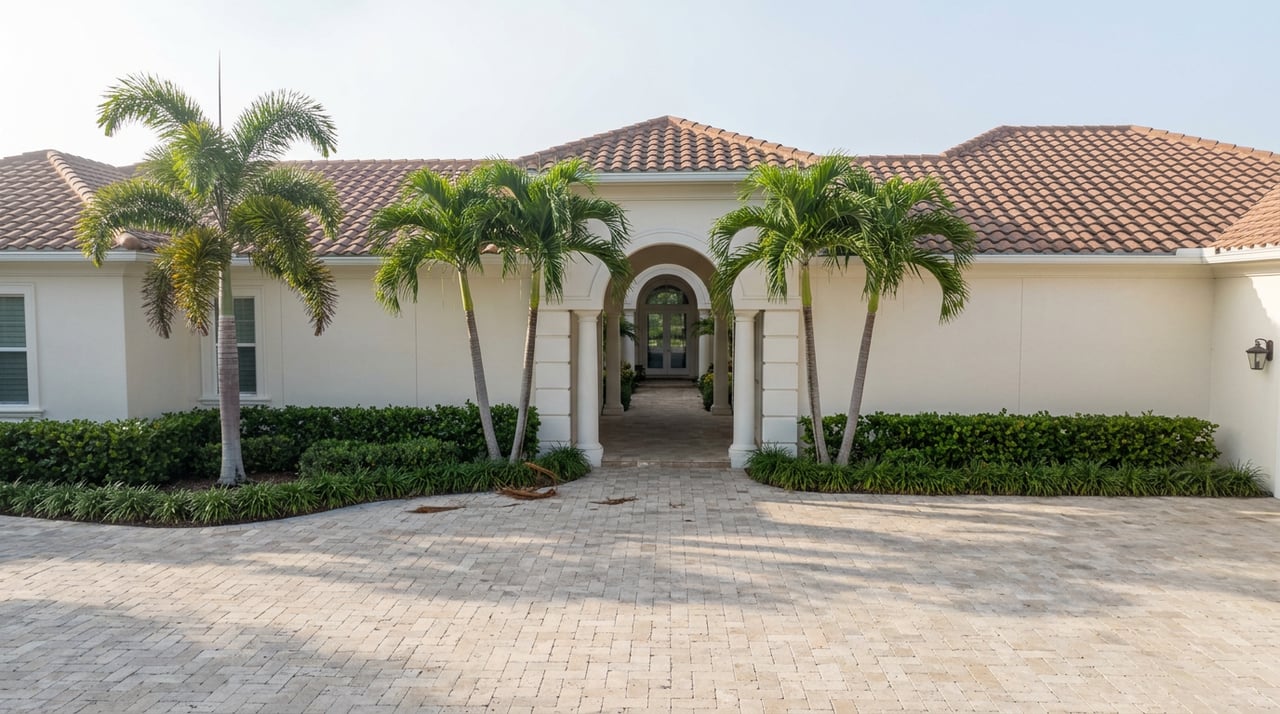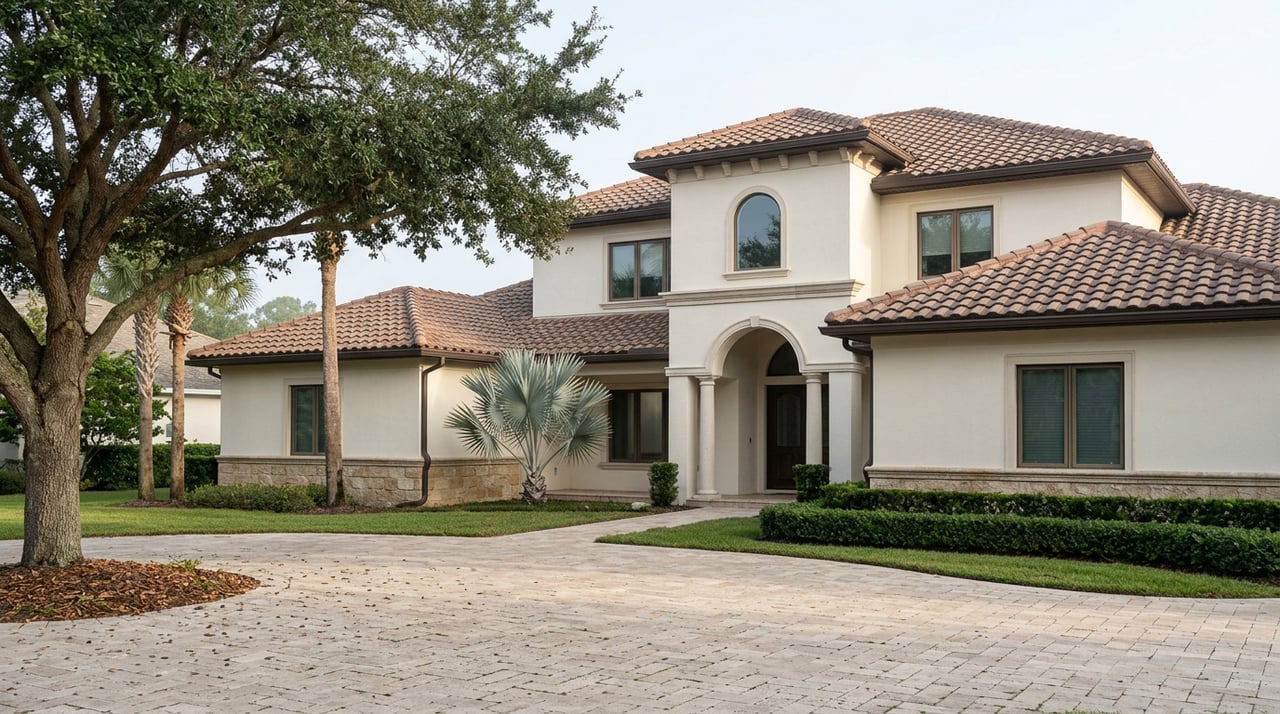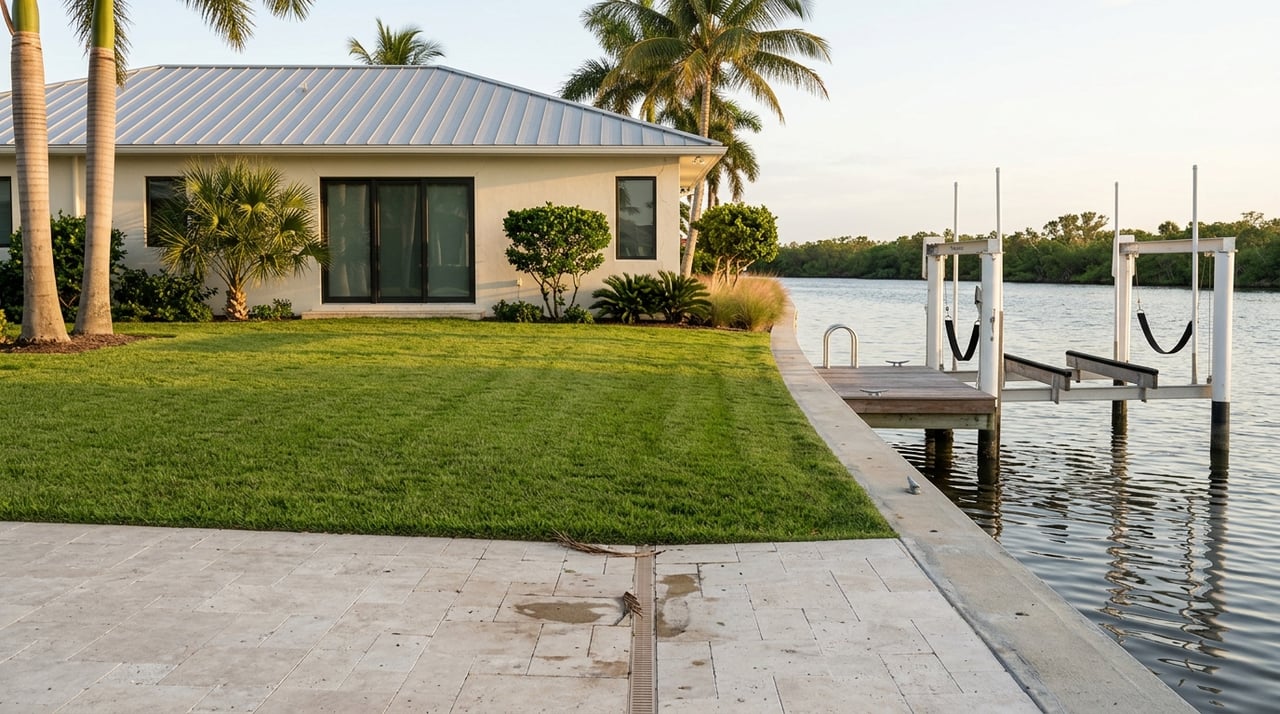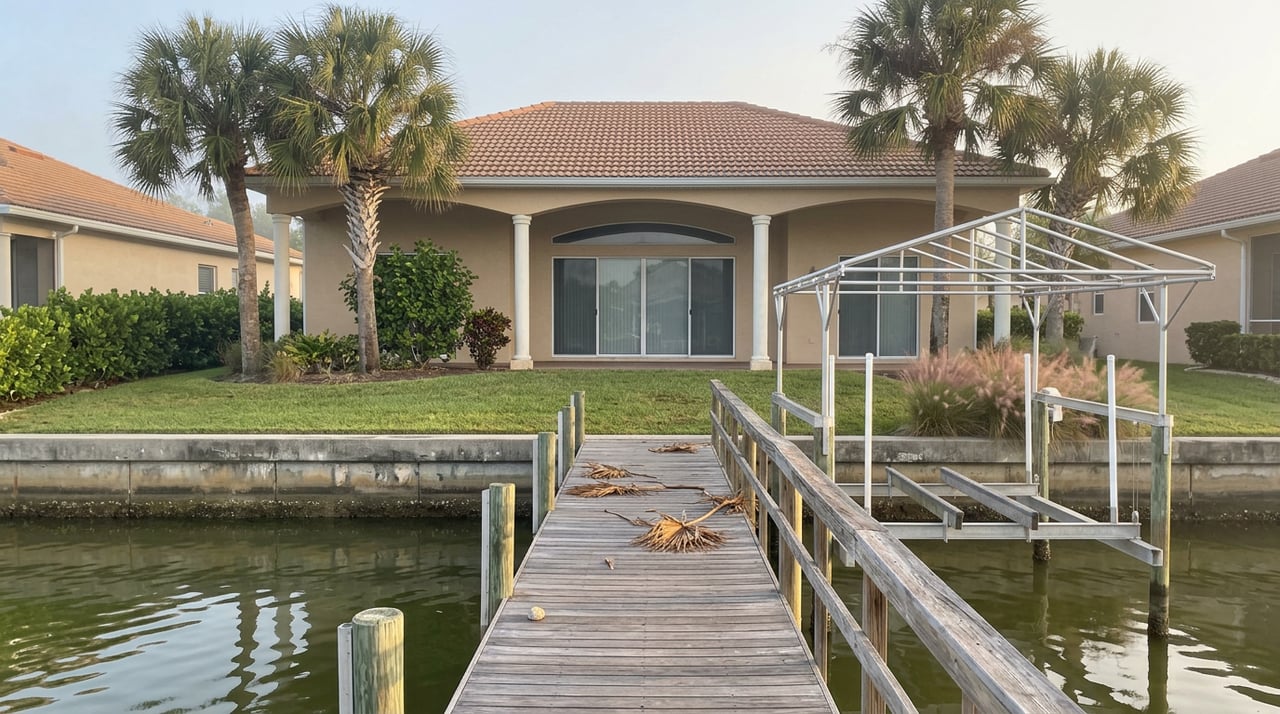
Two listings on the same afternoon, both in Sebastian, both promising the same thing: a short run to open water. One sits on a canal off Indian River Drive. The other backs up to the lagoon itself. Both descriptions use nearly identical language about proximity to the inlet. Only one question actually separates them, and it isn't in either listing: what does your boat need to get through that inlet, and will it still need the same thing three years from now?
Sebastian only has one inlet. Every waterfront address in the city, whether it's a canal lot set back from the river or direct river frontage on the water itself, reaches the Atlantic the same way. That single point of passage is currently under construction, will be for years, and is changing shape in ways that matter more to a buyer's daily life than square footage or dock length ever will.
One Doorway for the Entire City
The Sebastian Inlet is the only charted inlet along a 57-mile stretch of coast between Port Canaveral to the north and Fort Pierce Inlet to the south. That's not a comparison to a competing waterway across the county. It's the only option for anyone who owns a boat in Sebastian and wants to reach the ocean without trailering somewhere else first.
The Sebastian Inlet District, the agency that maintains the channel, describes its own inlet in plain terms:
"a local knowledge, fair-weather inlet used largely by smaller recreational fishing boats"
That's not marketing language. It's an operational description from the people who run it. The channel's western approach runs shallow, and the district posts real-time wind and tide conditions because passage isn't a given on every trip. A buyer comparing two "waterfront" Sebastian addresses is really comparing two ways of reaching the same narrow, tide-dependent doorway, not two independent paths to the Atlantic.
The Bridge Overhead Is the Real Limiting Number
Distance to the inlet is the number every listing leads with. The number that actually determines whether a boat can use it sits overhead, not on a chart.
The Sebastian Inlet Bridge, which carries A1A across the inlet, has a fixed vertical clearance of 39 feet. Some boating references round that to 37, but the district that owns the structure lists 39. Either way, the number is fixed. There's no bridge tender to call, no opening schedule to time a run around. If a boat's air draft doesn't clear that number, the inlet isn't an option, regardless of how many minutes the dock is from the water.
That bridge is now being replaced. The current span went up in 1964, was rated structurally deficient after a 2018 FDOT inspection, and is officially the James H. Pruitt Memorial Bridge, carrying what's now called Jimmy Buffett Memorial Highway. Construction on its replacement began June 1, 2026. When the new bridge opens, vertical clearance will rise to 51 feet, a 12-foot gain that changes what kind of boat makes sense to buy for a Sebastian address with a sailboat mast or a tall sportfish tower in mind.
| Current Bridge | Bridge Under Construction | |
|---|---|---|
| Built | 1964 | Construction started June 2026 |
| Vertical clearance | 39 ft | 51 ft |
| Condition | Structurally deficient since 2018 | New structure |
| Status for buyers today | The number that governs every boat purchase now | Won't apply until the project finishes |
That gap between today's 39 feet and tomorrow's 51 is the single most useful number in this whole comparison, and it belongs in the conversation before an offer, not after closing.
What's Actually Happening on the Water Through the Rest of the Decade
Buyers sometimes hear "bridge replacement" and assume the inlet closes. It doesn't. Sebastian Inlet District officials have said marine traffic will be maintained during construction aside from occasional temporary restrictions for safety, and FDOT has committed to keeping two-way vehicle traffic open across the span throughout the project, with lane closures limited to non-peak hours.
Cost estimates for the project have moved as it's progressed from design to construction, with figures from FDOT and the Sebastian Inlet District ranging from roughly $102 million to $112 million. Timelines have shifted too. FDOT's project materials point to a fall 2030 finish, while the Sebastian Inlet District's more recent project update lists 2031, and reporting around the June 2026 groundbreaking described a six-year build. The honest answer for a buyer is that construction runs through the rest of this decade and possibly into the next one, not that there's a single locked date to plan around.
Florida State Parks has also flagged real, near-term effects for anyone using the inlet corridor: increased traffic congestion, construction noise, and changes to the Sebastian Inlet State Park campground entrance, with the possibility of canceled camping reservations during active phases. None of that closes the water. It does mean a buyer choosing a home within sight or sound of the inlet itself should expect a different daily experience than one on a canal a mile inland, even though both properties depend on the same channel to reach the ocean.
What This Means When You're Comparing Two Sebastian Addresses
Before writing an offer on any Sebastian waterfront listing, four questions do more work than the listing description:
- What's the air draft of the boat you actually own or plan to buy? Compare it against 39 feet today, not the 51 feet that won't exist until the new bridge opens.
- What does the channel look like at low tide along your specific route? The western approach to the inlet runs shallow, and a canal address further from the main channel may add its own depth considerations before reaching open water.
- Are you buying for now or for 2031? If your boat needs more than 39 feet of clearance, you're either waiting years for the new bridge or choosing a different inlet entirely for that vessel.
- How close is the address to the inlet corridor itself? A canal home well inland and a lot near Sebastian Inlet State Park share the same single point of ocean access, but only one of them will hear the construction.
None of this makes Sebastian waterfront a worse buy. It makes it a more specific one, and specificity is exactly what a buyer needs before choosing between two listings that read almost the same.
A Short FAQ
Will I be able to get my boat out to the ocean during construction? Yes. Both the Sebastian Inlet District and FDOT have confirmed marine and vehicle traffic remain open throughout the project, with only temporary, safety-related restrictions expected.
When will the taller, 51-foot bridge actually be finished? Estimates vary by agency and by when they were published, ranging from fall 2030 to 2031. Plan for construction to be part of the picture through the rest of this decade rather than counting on a specific date.
Does this affect every Sebastian waterfront home, or just ones near the inlet? Every address that depends on boat access to the Atlantic shares the same inlet and the same 39-foot clearance today. Proximity to the construction itself, in terms of noise and traffic, is a separate and more localized consideration.
If you're weighing a canal lot against river frontage in Sebastian, or trying to figure out whether a specific address actually fits the boat you already own, that's exactly the kind of detail worth working through before you write an offer. Danielle M. Reidy can walk you through what a given Sebastian address actually delivers on the water, not just what the listing says. Request a Free Market Analysis to start that conversation.