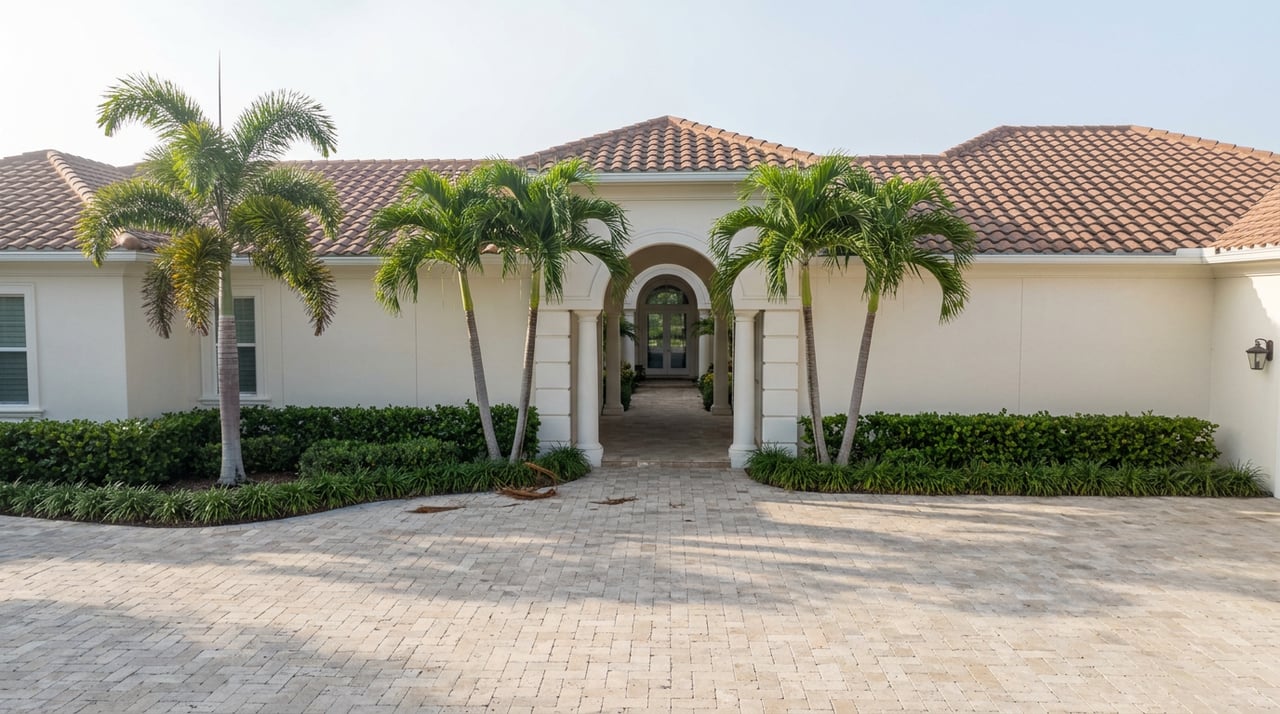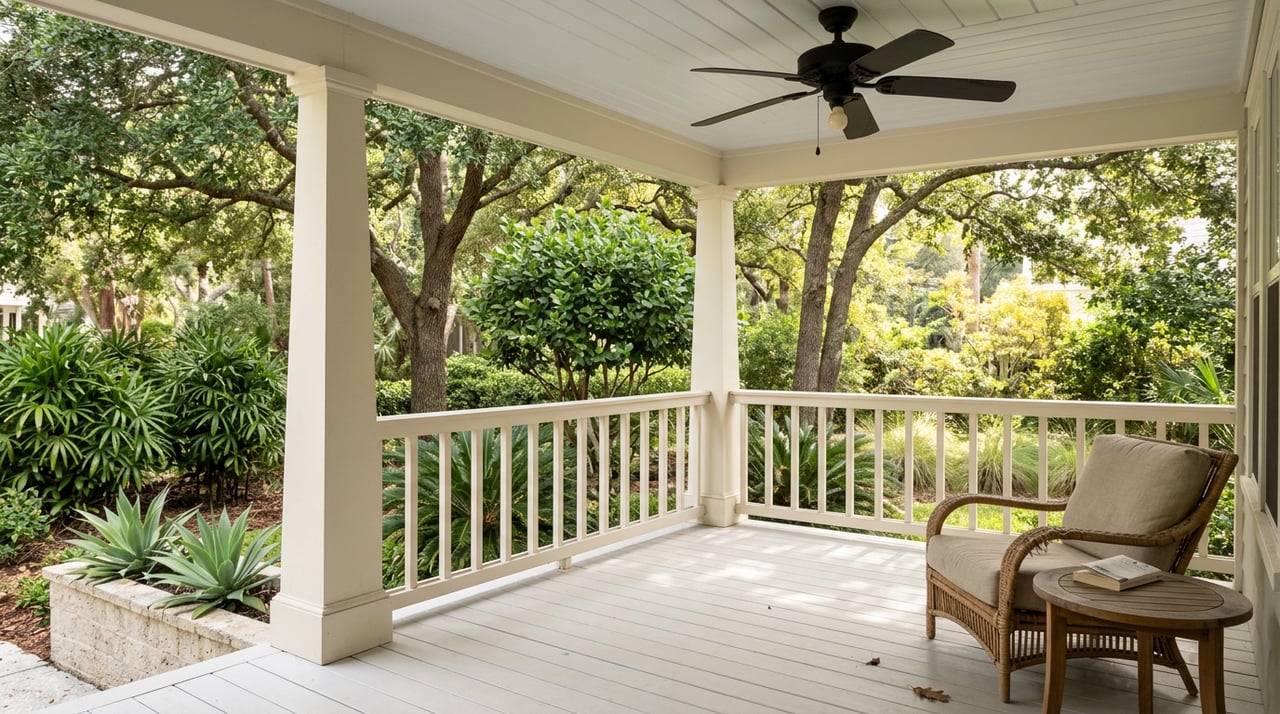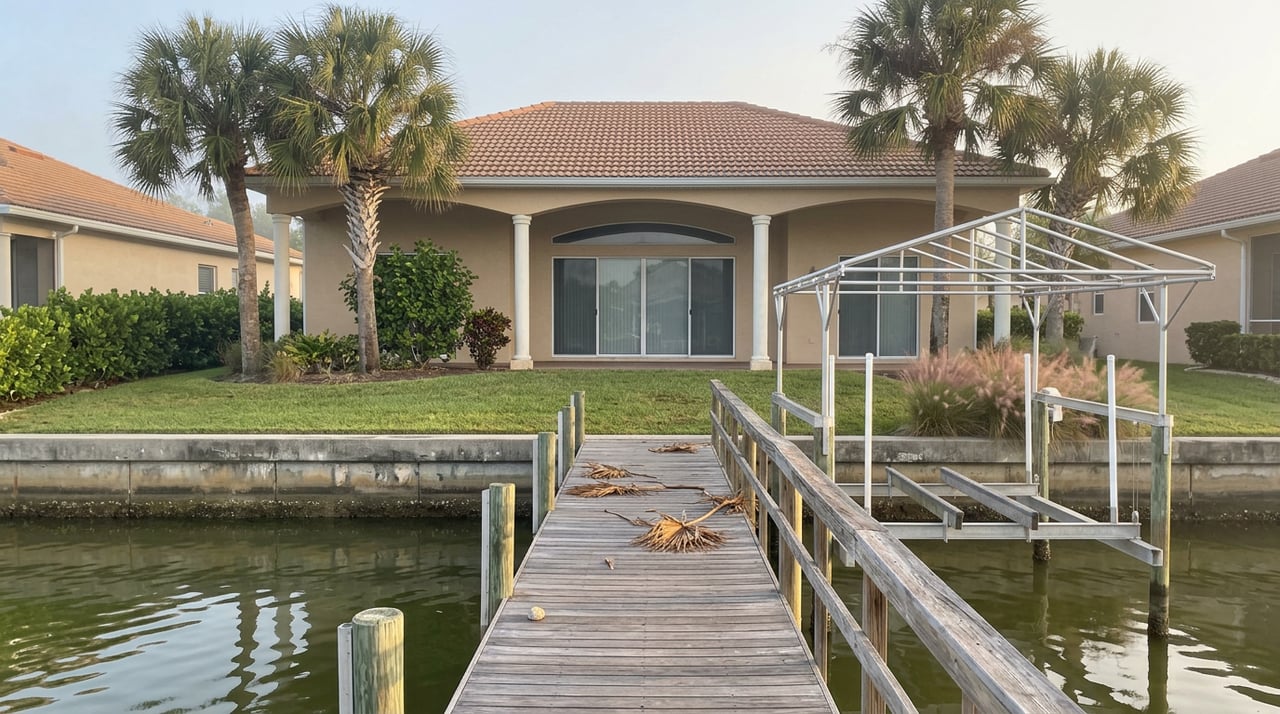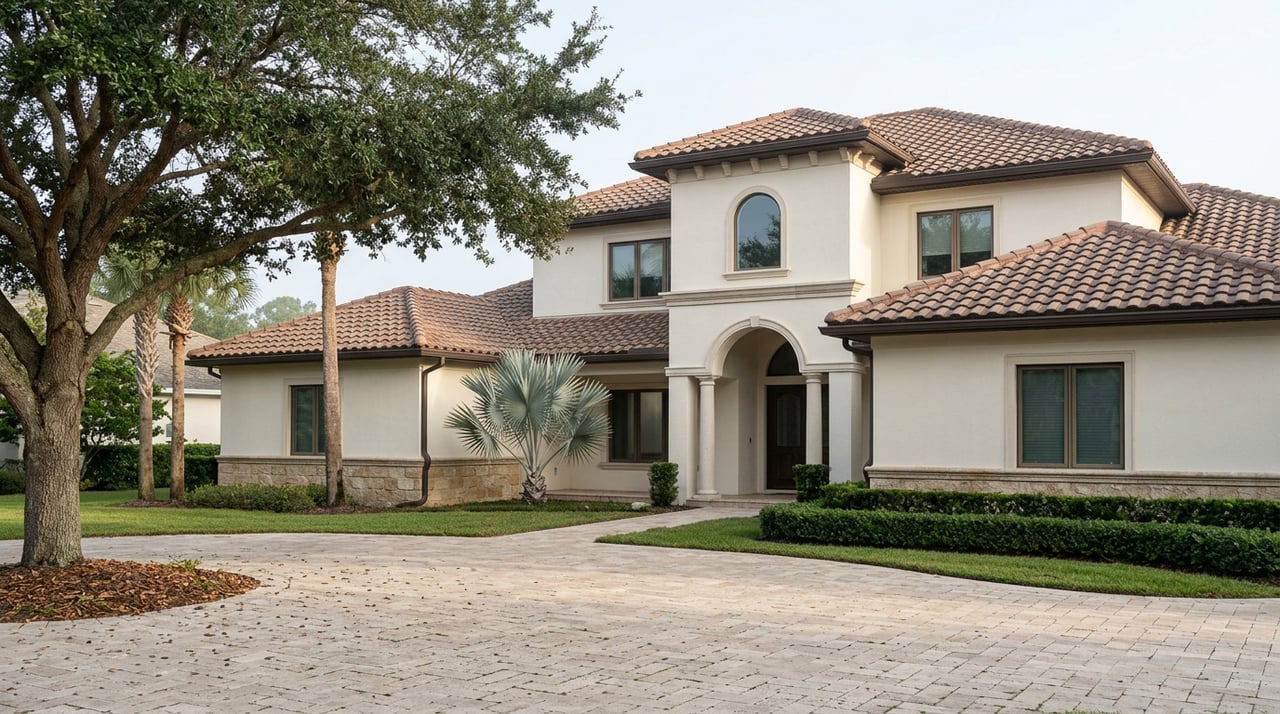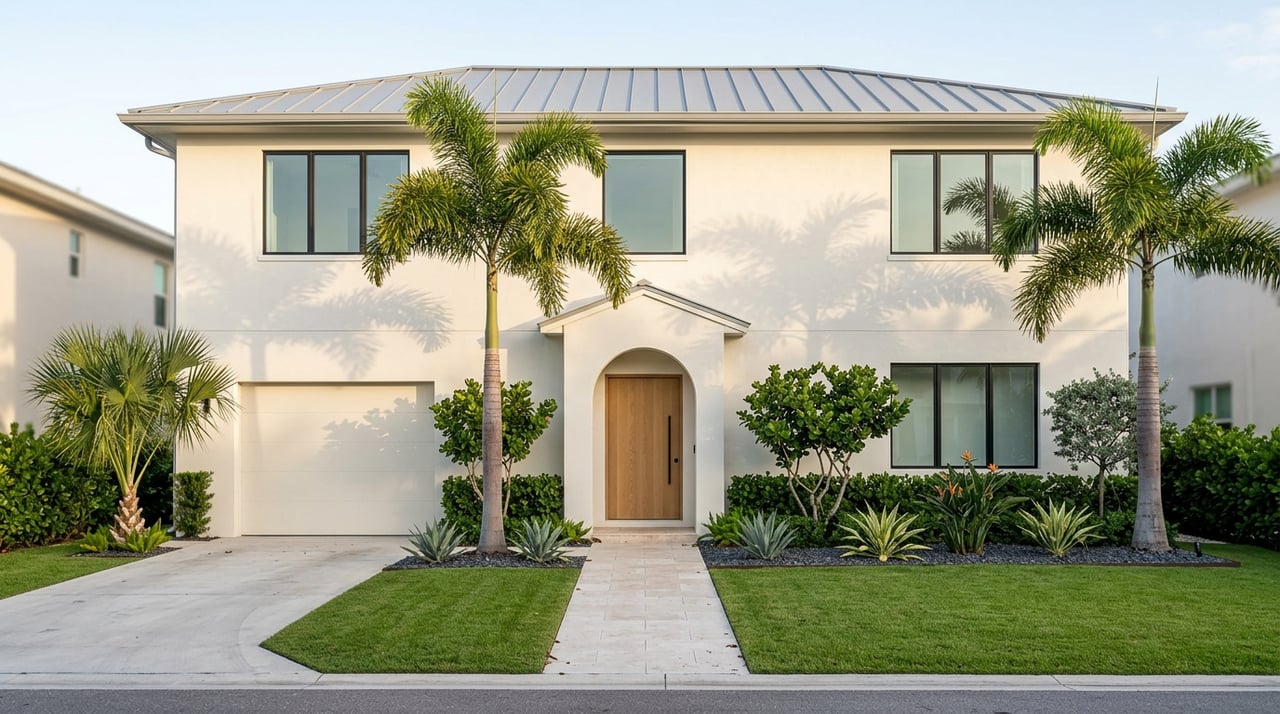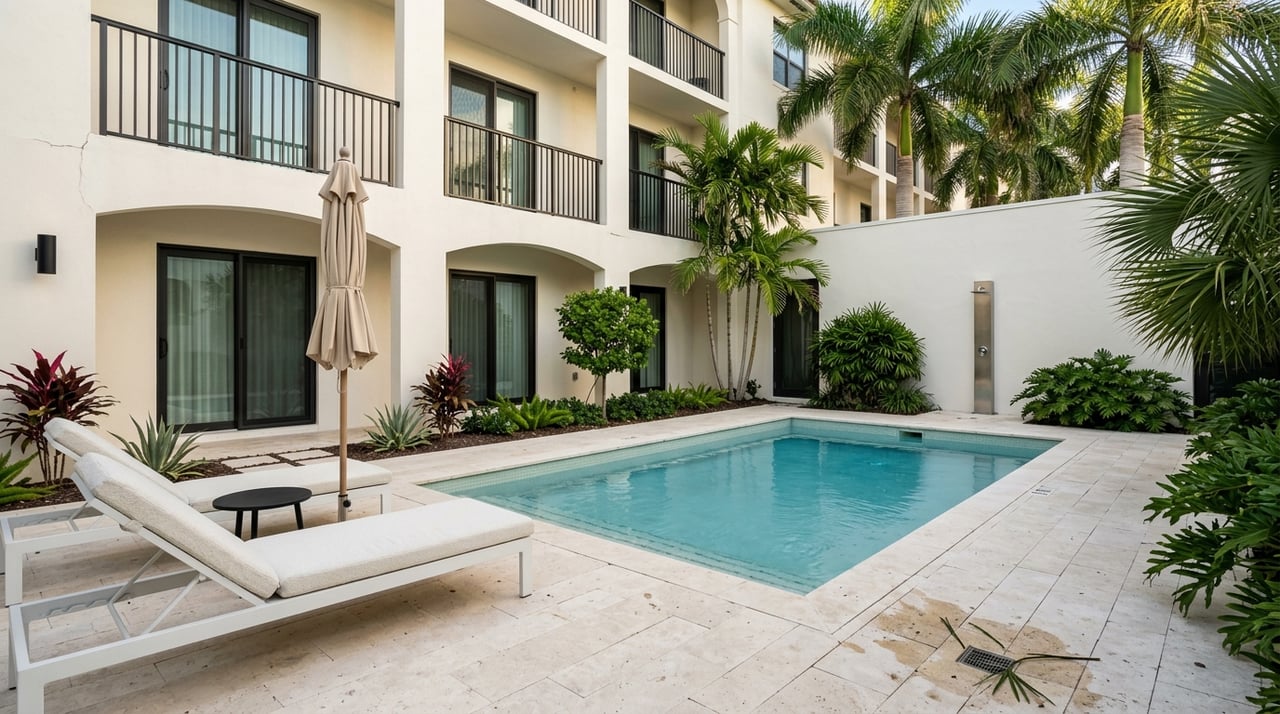
Trying to decide between a condo and a single-family home in Melbourne? You are not alone. For many buyers, the choice comes down to more than price. It is really about how you want to live, what level of maintenance you want to take on, and how comfortable you are with association rules and costs. If you are weighing your options in today’s Melbourne market, this guide will help you compare both paths with more clarity. Let’s dive in.
Melbourne Prices Tell an Important Story
In Melbourne, condos and single-family homes are not sitting in the same price lane right now. March and April 2026 market snapshots show Melbourne as an overall mid-$300,000s market, but property type makes a big difference.
Redfin’s March 2026 data showed a citywide median closed sale price of $312,500. Zillow’s April 2026 snapshot showed a median sale price of $352,667 and a median list price of $369,933. Those figures are useful for general context, but the condo versus single-family split is where your decision gets more practical.
According to the April 2026 Brevard County MLS report, the median sale price for single-family homes was $375,000. For condo and townhome properties, the median sale price was $286,000. That price gap can make condos look like the easier entry point, especially if you want to stay flexible with your budget.
Melbourne condo listings also show a lower current asking range overall. Redfin reported 125 condos for sale in Melbourne at a median listing price of $175,000. That creates a very different shopping experience from the single-family side of the market.
Inventory Favors Condo Buyers
Price is only part of the picture. Inventory can affect how much negotiating room you may have and how quickly you need to make a decision.
In Brevard County, single-family homes had 3.7 months of supply in April 2026. Condo and townhome properties had 7.2 months of supply. In simple terms, there are more condo-style options relative to buyer demand, which may give you a bit more leverage on price or terms.
That does not mean every condo is a bargain or every house is hard to get. It does mean condos may offer more breathing room if you want time to compare buildings, review association documents, and think carefully before making an offer.
Condo Costs Go Beyond the Purchase Price
A condo’s lower sticker price can be appealing, but it is important to look at the full monthly carrying cost. In Florida, condominium associations are responsible for the operation, repair, replacement, and protection of common elements and association property as common expenses.
That structure can reduce the amount of exterior upkeep you manage directly. At the same time, it means your ownership costs may include dues, reserve funding, insurance-related expenses, and in some cases special assessments.
This is why a condo is not automatically the cheaper choice in day-to-day ownership. A lower purchase price may be offset by recurring fees and building-related costs that do not show up in the list price.
What Condo Fees Often Support
Depending on the community, condo costs may help support:
- Building and common-area maintenance
- Shared amenities such as pools
- Exterior upkeep
- Association operations
- Reserve funding for future repairs
Current Melbourne-area listings show how much amenities and location can affect value. Some lower-priced condos include access to a community pool, while higher-priced units may offer river views, balconies, garages, or more extensive amenities.
Single-Family Homes Offer More Control
If you buy a single-family home, you usually get more direct control over the property. That can be a major advantage if you want a yard, more privacy, or more freedom to plan updates over time.
The tradeoff is responsibility. Instead of sharing many building-related expenses through an association structure, you are generally managing more of the upkeep yourself. That can include exterior maintenance, repairs, and longer-term replacement planning.
For some buyers, that control is worth the added work. For others, a lock-and-leave setup feels far more comfortable, especially if travel, second-home use, or a simpler routine matters to you.
Florida Condo Rules Matter in Melbourne
One of the biggest differences between condos and single-family homes in Florida is the legal and financial framework. Condo ownership is more document-driven, and buyers should pay close attention to how a building is run.
Under current Florida law, condominium buildings that are three habitable stories or more must complete milestone inspections at 30 years. In some salt-water-proximate circumstances, local enforcement can require them at 25 years.
Residential condominiums that are three stories or higher must also complete a structural integrity reserve study at least every 10 years. These studies cover major components such as the roof, structure, fire protection systems, plumbing, electrical systems, waterproofing and exterior painting, windows and exterior doors, and other deferred maintenance items above the statutory threshold.
For budgets adopted on or after December 31, 2024, a unit-owner-controlled association that must obtain this reserve study cannot vote to fund less than the required reserves for those covered items. That is a meaningful issue for buyers because reserve funding affects both current affordability and future financial stability.
Why This Matters to You
When you buy a condo, you are not just buying the unit. You are also stepping into the association’s budgeting, maintenance planning, and governance structure.
Florida law requires associations to distribute inspection summaries and reserve-study information to owners. That means condo buyers need to review documents carefully and understand whether a building may be facing higher future costs or special assessments.
By comparison, the same condo-specific milestone inspection and reserve study framework does not apply to single-family dwellings with three or fewer habitable stories above ground. That often makes the ownership structure simpler, even if maintenance is more hands-on.
Beachside Premium Changes the Equation
Location can shift this comparison fast. If you are considering a beach-adjacent lifestyle, the cost difference between inland Melbourne and nearby Melbourne Beach is significant.
Melbourne’s citywide median sale price in March 2026 was about $312,500. In Melbourne Beach, the median sale price was $870,000, and condo listings had a median list price of $635,000. That is a sharp premium for coastal location.
Beachside condo listings also highlight how amenities and carrying costs can rise in these settings. Examples in Melbourne Beach include beach access, river access, oceanfront buildings, private garages, and HOA charges ranging from $1,000 to $1,805 on some listings.
If your goal is the coastal lifestyle, a condo may still be the more attainable option compared with a single-family home in a beachside location. But you will want to evaluate not just the view and amenities, but also the ongoing costs and building obligations that come with them.
How to Choose the Better Fit
The right choice often comes down to four decision points. When you compare condos and single-family homes in Melbourne, focus on these questions first.
1. What monthly payment feels comfortable?
Look beyond mortgage principal and interest. Compare taxes, insurance, association dues, reserve contributions, and likely maintenance costs so you understand the full picture.
2. How much maintenance do you want to manage?
If you want less day-to-day property upkeep, a condo may be more appealing. If you prefer to control repairs, projects, and exterior decisions more directly, a single-family home may suit you better.
3. How comfortable are you with association governance?
Condo living usually means more rules, shared financial decision-making, and more documents to review. Some buyers appreciate that structure. Others prefer the independence of a house.
4. Are you paying for location or flexibility?
If you want beach proximity, a condo may open doors that a single-family budget cannot. If you are more value-focused and open to inland options, a single-family home may offer more space and control for the money.
A Simple Side-By-Side Comparison
| Factor | Condo | Single-Family Home |
|---|---|---|
| Typical Brevard median sale price, April 2026 | $286,000 for condo/townhome properties | $375,000 |
| Inventory conditions | Higher supply at 7.2 months | Lower supply at 3.7 months |
| Maintenance structure | Many common elements handled through the association | More owner-managed upkeep |
| Rules and governance | More association oversight and document review | Usually fewer condo-specific requirements |
| Best fit for | Buyers seeking lower-maintenance living or lock-and-leave flexibility | Buyers seeking more privacy, control, and outdoor space |
The Best Answer Depends on Your Priorities
There is no universal winner between a Melbourne condo and a single-family home. A condo may give you a lower entry price, amenities, and easier day-to-day upkeep. A single-family home may give you more privacy, more control, and a simpler ownership structure.
The best move is the one that matches your budget, your lifestyle, and your comfort level with ongoing costs and responsibilities. When you compare your options through that lens, the right choice usually becomes much clearer.
If you want help sorting through condo fees, inventory trends, or the tradeoffs between low-maintenance living and long-term flexibility, Danielle M. Reidy offers thoughtful, organized guidance to help you make a confident move.
FAQs
Is a condo always cheaper than a single-family home in Melbourne?
- Not always. Condos often have a lower purchase price, but dues, reserve funding, insurance costs, and possible special assessments can narrow the gap.
Do Melbourne condo buyers have more negotiating room than single-family buyers?
- They may. Brevard County had 7.2 months of condo and townhome supply in April 2026, compared with 3.7 months for single-family homes.
What Florida condo rules should Melbourne buyers pay attention to?
- Buyers should review inspection and reserve requirements carefully, especially for condominium buildings that are three habitable stories or more, because those rules can affect budgets and future costs.
Are single-family homes in Melbourne easier to manage legally than condos?
- In many cases, yes. Single-family homes do not follow the same condo-specific milestone inspection and structural reserve study framework that applies to many condominium buildings.
Are beachside condos near Melbourne more expensive than inland condos?
- Yes, nearby Melbourne Beach data shows a much higher coastal price point, with condo median listing prices and overall sale prices well above Melbourne citywide figures.