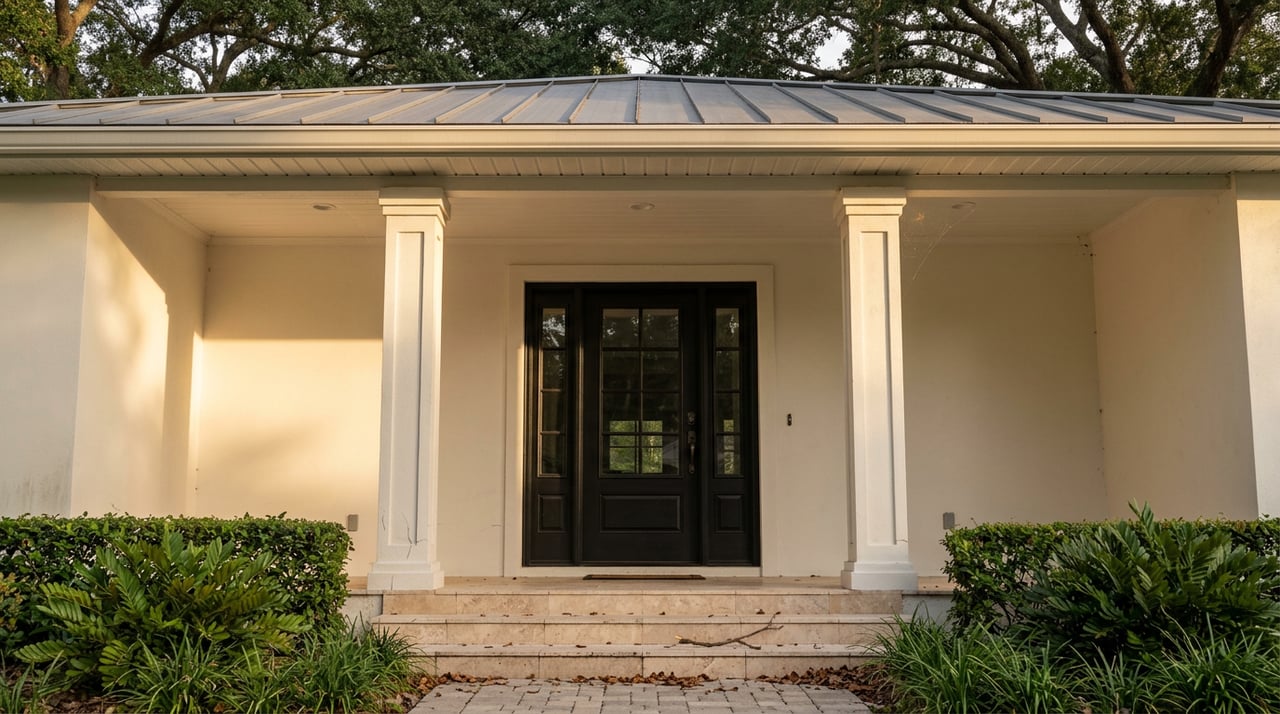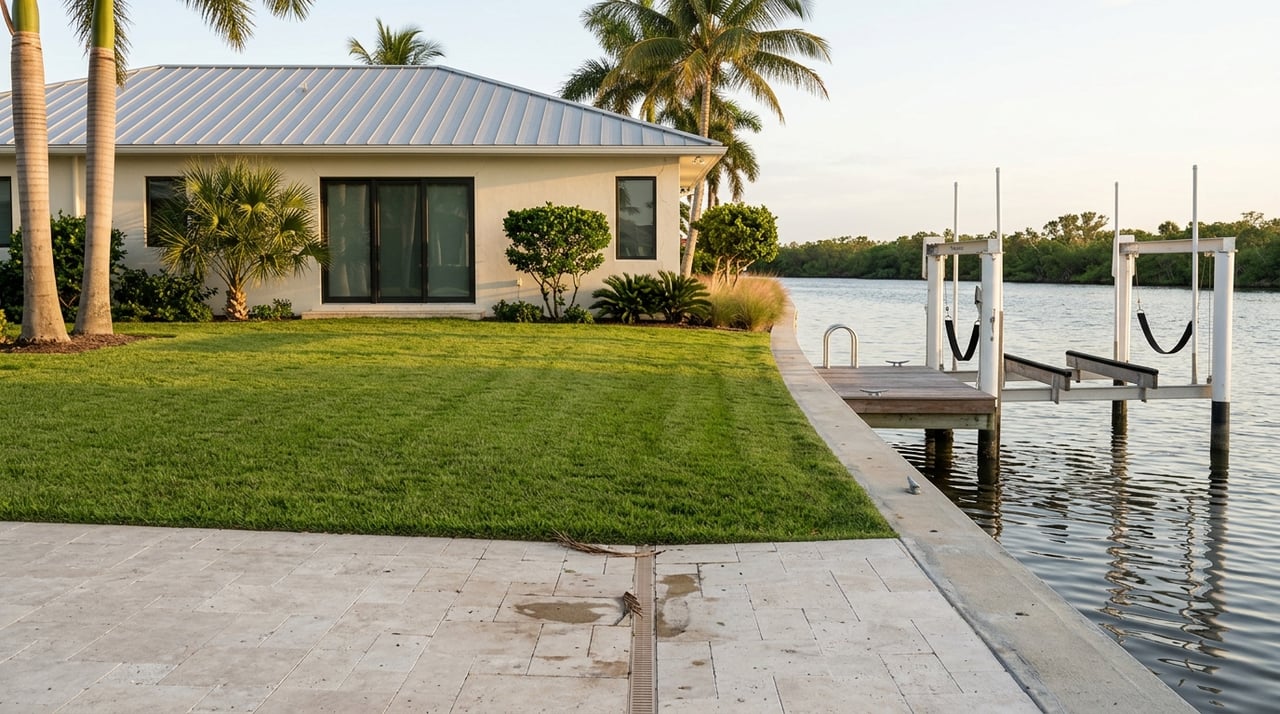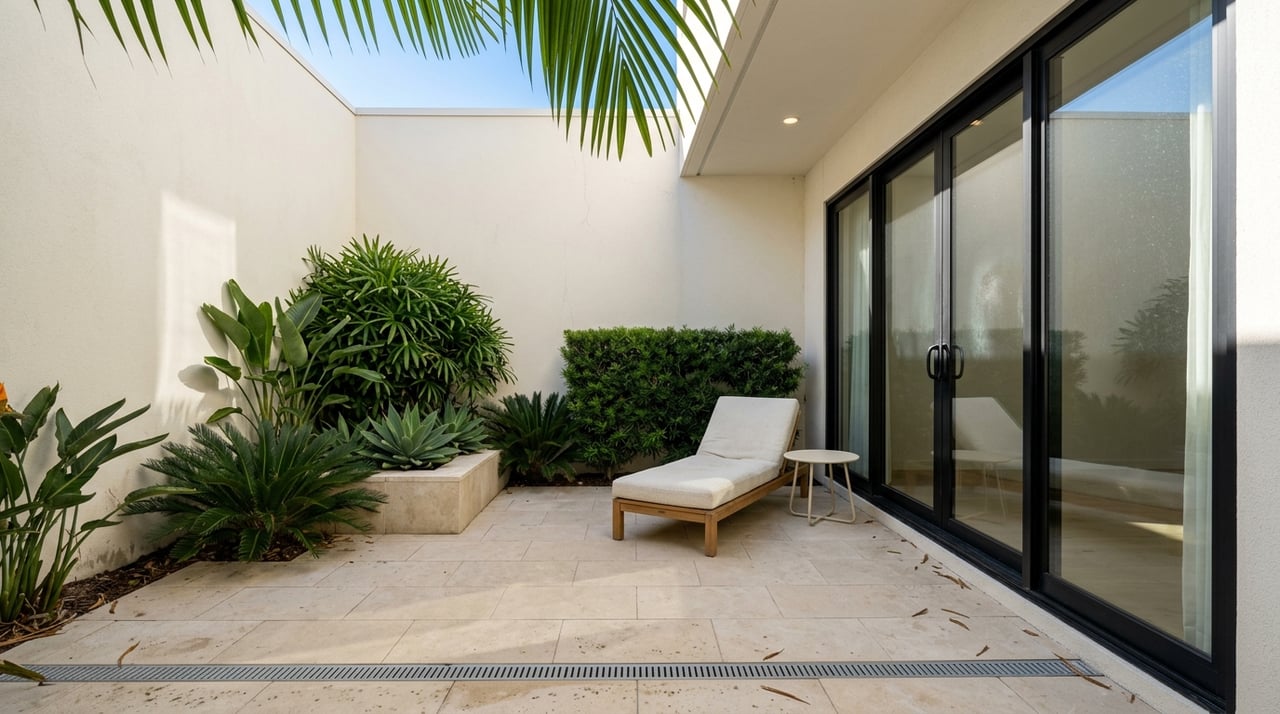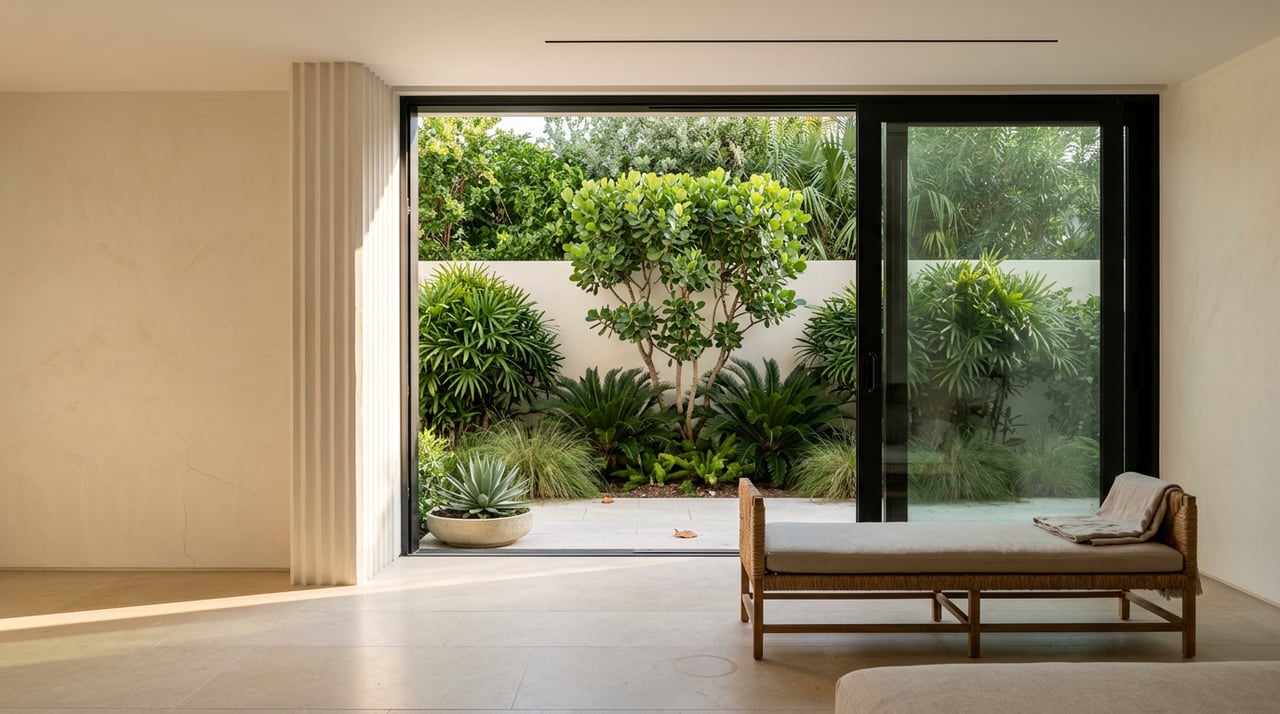
Thinking about a move to Florida’s Space Coast and wondering if Melbourne is the right fit? It is easy to see why this city gets attention. Melbourne gives you a mix of riverfront scenery, beach access, established neighborhoods, and a strong local job base, all without feeling like a massive metro. If you want a clear picture of daily life here, this guide will walk you through what to expect. Let’s dive in.
Where Melbourne Is and How It Feels
Melbourne sits in southern Brevard County on Florida’s east coast, southeast of Orlando. The city stretches across both the mainland and a barrier-island portion, with the Indian River Lagoon shaping much of the local landscape and lifestyle.
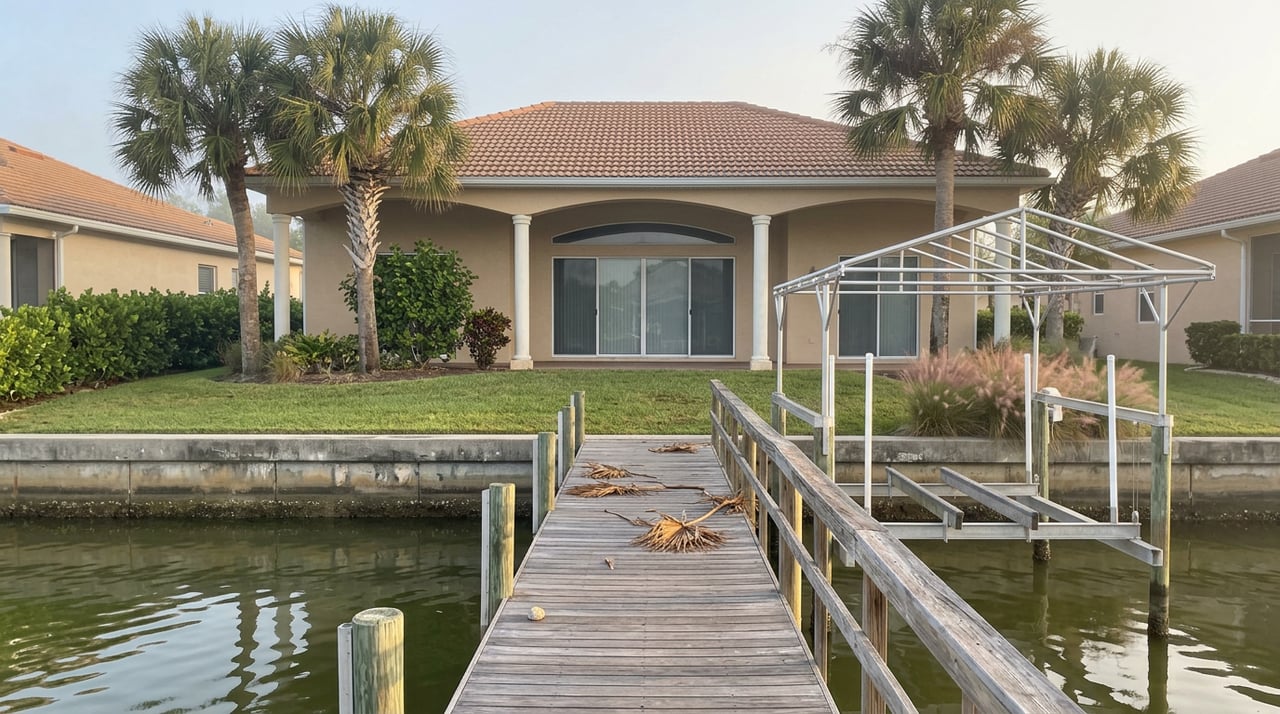
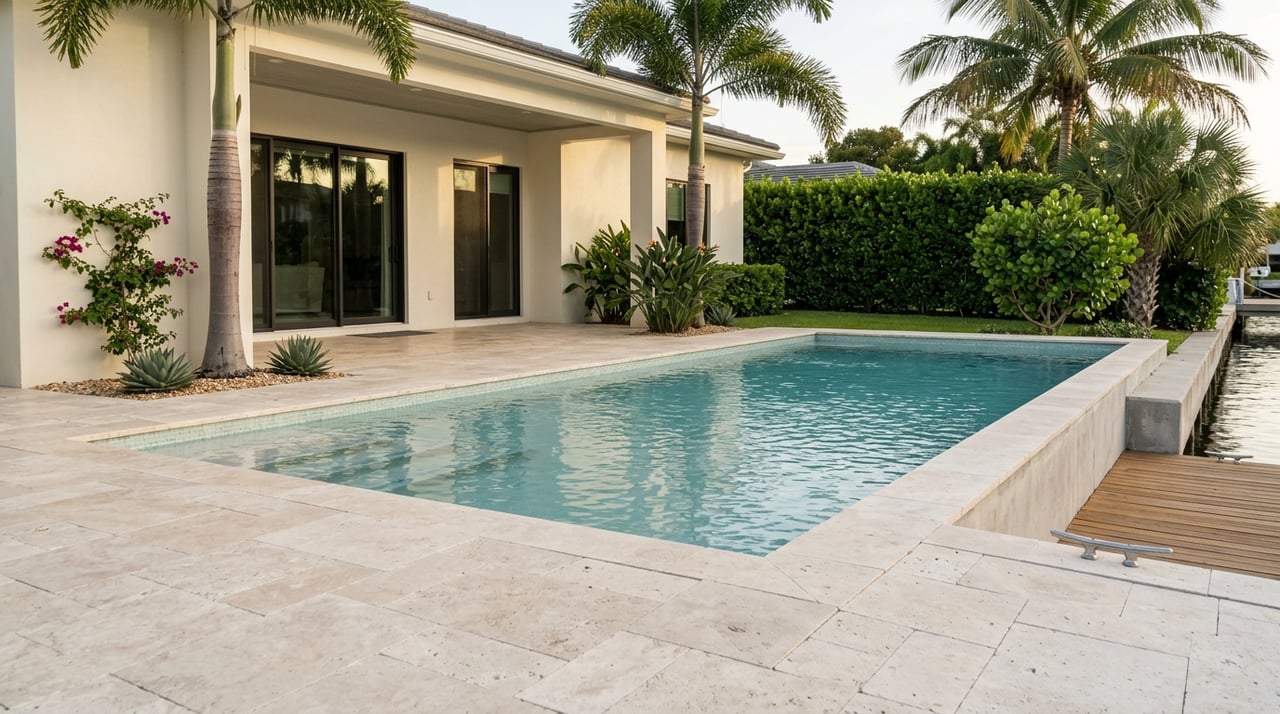
That setting gives Melbourne a waterfront feel that shows up in everyday life. You are not just near the coast in a broad sense. You are living in a place where river views, bridges, marinas, and beach runs can become part of your normal routine.
Melbourne is also a real city, not just a beach stop. City leadership describes it as Brevard County’s economic engine, and its historic downtown districts add shopping, dining, and entertainment options that give different parts of the city their own personality.
As of 2024, Melbourne’s population is estimated at 87,561. The median age is 42.6, 22.6% of residents are age 65 or older, and 59.7% of housing units are owner-occupied, which points to a community with a mix of longtime residents, working households, and retirees.
Outdoor Living Is a Big Draw
If you picture your Florida life including water, trails, and green space, Melbourne has a lot to offer. The City of Melbourne operates more than 232 acres of parks, and many of them connect directly to the riverfront lifestyle that draws people here.
You can find riverfront parks like Pineapple Park River Front and Riverview Park, along with fishing piers at Claude Edge Front St. Park and Eau Gallie Pier. If boating is part of your routine, boat launches are available at Ballard Park, Claude Edge Front St. Park, Horse Creek Park, and Riverview Park.
For larger recreational space, Wickham Park is a standout. This 391-acre county park includes biking, hiking, and equestrian trails, giving you a bigger outdoor footprint than you might expect in a coastal city setting.
Brevard Linear Park adds another option for everyday movement and nature access. Its 3.1-mile paved and elevated trail runs through wetlands and oak hammocks, which gives you a different kind of scenery from the beaches and waterfront parks.
Beach Access Is Part of the Lifestyle
One of the first questions many buyers ask is simple: how close are the beaches? In Melbourne, beach time is very doable, but it often means crossing toward the barrier island or heading to nearby Melbourne Beach.
Brevard County beach parks in Melbourne Beach include Spessard Holland South Beach Park and Bonsteel Park. These parks offer beach access, surf fishing, and surf-friendly entry points, and Spessard Holland South also includes seasonal lifeguards and an ADA-accessible crossover.
That means your version of coastal living in Melbourne may be a blend of riverfront and beach access rather than living directly on the sand. For many people, that balance is part of the appeal because you can enjoy the water-oriented lifestyle in more than one way.
Melbourne Has Distinct Districts
Not every part of Melbourne feels the same, and that is important if you are trying to picture daily life here. Some areas feel more tied to the riverfront, some are more residential and inland, and some have a stronger downtown or historic identity.
One of the most notable districts is the Olde Eau Gallie Riverfront area. The city says this district has benefited from public improvements such as Eau Gallie Square, the reconstruction of Eau Gallie Pier, sidewalk work, benches, and wayfinding signs.
The area is also connected to EGAD, which the city identifies as a designated Florida Main Street Program. For a buyer, that signals an established district with a recognizable sense of place and ongoing civic attention.
Jobs and Economy Matter Here
Melbourne is not only about lifestyle. It also has a meaningful employment base, which is one reason many people consider it for a full-time move instead of just a second-home market.
The local economy is closely tied to aerospace, aviation, defense, and manufacturing. The Economic Development Commission says L3Harris has its main headquarters in Melbourne, and Melbourne Orlando International Airport reports that its tenants include aerospace, defense, and manufacturing companies that generate more than $3.1 billion annually for the Space Coast economy.
That job base helps shape the city in practical ways. You have a market that serves professionals, families, retirees, and relocating households, rather than a place built around just one type of resident.
What Commuting Looks Like
If you are moving from a larger city, Melbourne’s commute patterns may feel manageable. The average commute time is 22.8 minutes, according to Census data.
Driving plays a major role in how people get around. Brevard County identifies the Ellis Road corridor as its top transportation priority because it connects the I-95 interchange, Melbourne Orlando International Airport, and surrounding aerospace and defense employers, serving as a gateway for about 20,000 employees in the area.
Public transit is available through Space Coast Area Transit. Bus and trolley routes serve cities and unincorporated areas across the county, with weekend service on most routes and evening service in some areas.
There is also a helpful local perk for some residents. Melbourne residents with valid ID can ride free on routes 21, 24, and 29 within city limits, and Eastern Florida State College’s Melbourne campus is served by routes 28 and 29.
Housing Options Are Broad
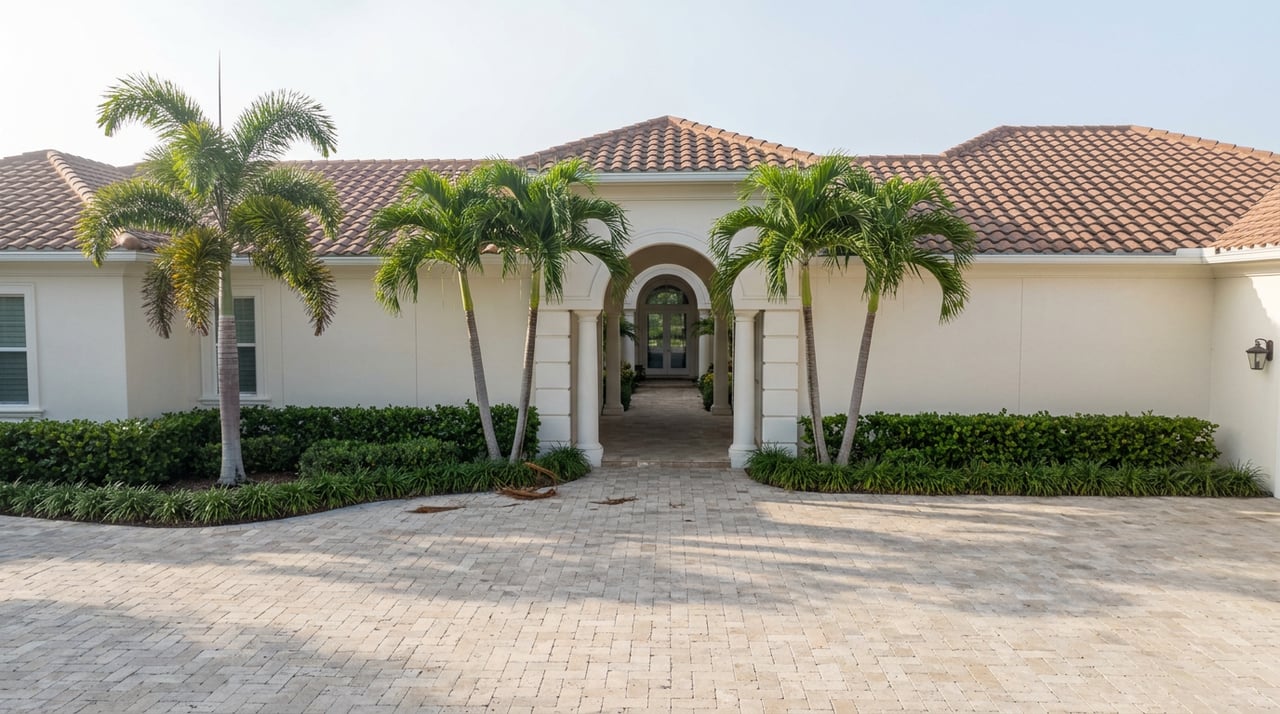
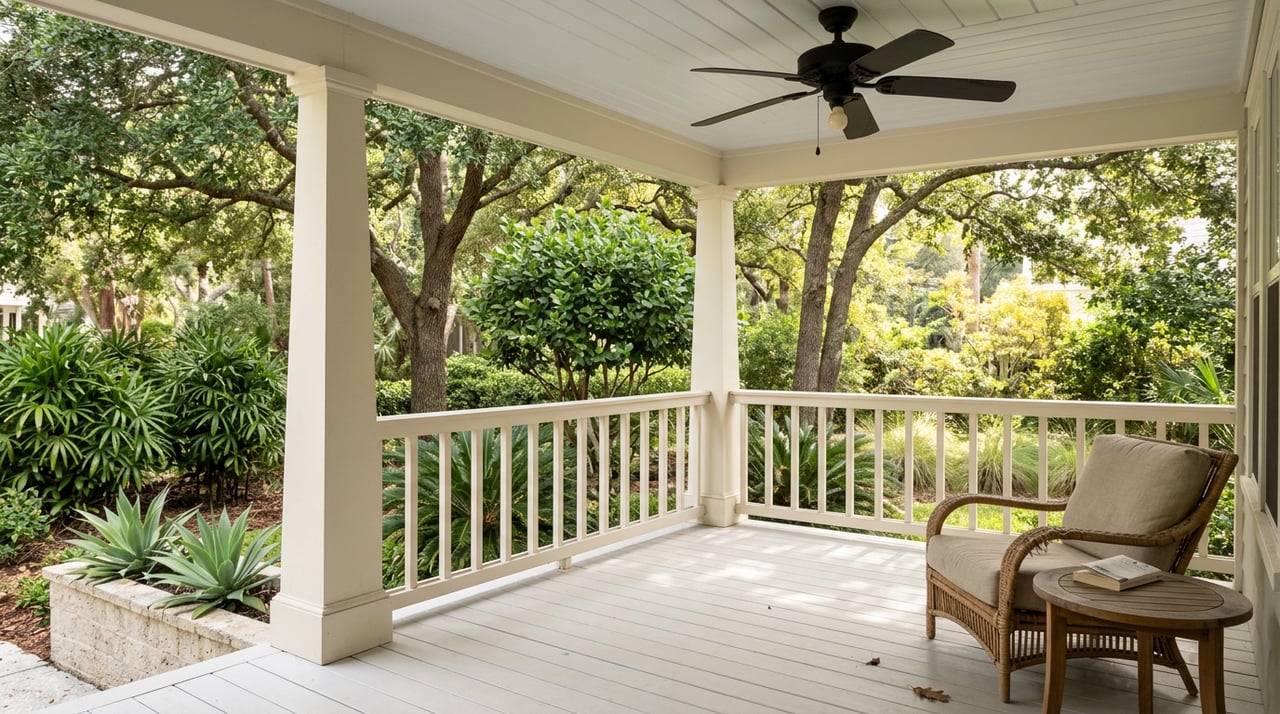
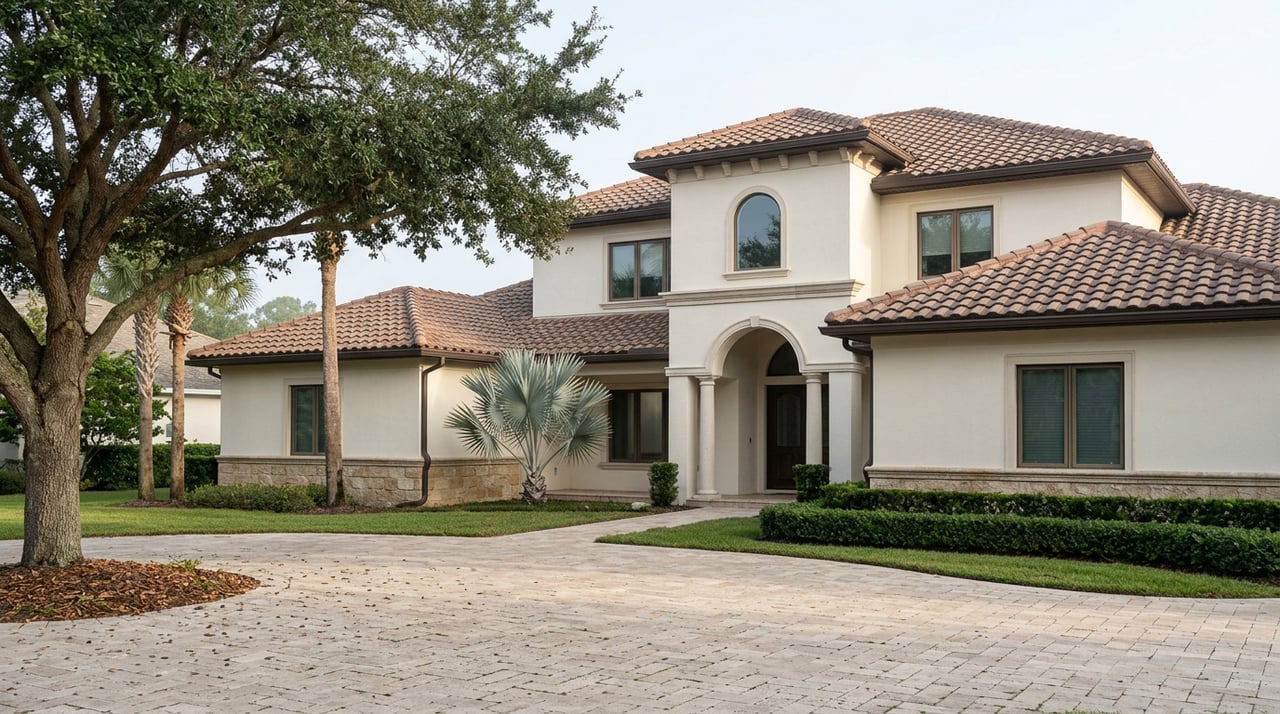
Melbourne appeals to a wide range of buyers because the housing stock is not one-note. Brevard County’s residential categories include single-family homes, duplexes, townhouses, condos, apartments, mobile homes, and RV pads, and the city’s planning rules also contemplate larger multifamily development.
In plain terms, you can expect variety. Depending on where you focus your search, you may find traditional single-family neighborhoods, condo options, townhome living, or other residential formats that fit different budgets and lifestyles.
That flexibility matters if you are relocating, buying your first Florida home, downsizing, or looking for a second home with lower maintenance. Melbourne is not limited to one housing style or one buyer profile.
What Homes Cost in Melbourne
Price is always a major part of the conversation, and Melbourne offers a range rather than one fixed price point. The U.S. Census Bureau lists the median value of owner-occupied housing at $306,400, while median gross rent is $1,525.
Current market trackers are somewhat higher, though they vary by method. Redfin reported a March 2026 median sale price of $315K, Zillow reported $351,667 for February 2026, and Realtor.com reported a $397K median sale price for February 2026.
The safest takeaway is that Melbourne home prices currently tend to cluster roughly in the mid-$300,000s to high-$300,000s. Of course, location near water, property type, updates, and condition can push pricing above or below that range.
Who Melbourne May Suit Best
Melbourne can work well for a few different types of buyers. If you want access to beaches and boating without relying on a purely vacation-driven market, it offers a practical version of coastal Florida living.
It may also appeal to buyers who want a city with a stronger employment base than a typical small beach town. The aerospace and aviation presence gives the area economic weight, which can matter if you are relocating for work or simply want a market with multiple drivers.
And if you like variety, Melbourne has that too. From riverfront districts to parks, beach access, and a mix of housing types, the city gives you several ways to build your lifestyle instead of forcing you into one narrow version of Florida living.
What to Consider Before You Move
As with any move, the right fit depends on your priorities. In Melbourne, daily life is often shaped by where you live relative to work, the river, the beach, and major roads like I-95 and Ellis Road.
It also helps to think beyond the broad label of “Melbourne.” Your experience can look very different depending on whether you want quick beach access, a more central location, a lower-maintenance home, or a neighborhood with a more established feel.
That is why local guidance matters. A move goes more smoothly when your home search is matched to how you actually want to live, not just to a price range or zip code.
If you are considering a move to Melbourne or comparing it with other Florida markets, working with someone who understands both lifestyle goals and practical decision-making can make the process feel much more manageable. When you are ready for thoughtful guidance, connect with Danielle M. Reidy.
FAQs
What is daily life like in Melbourne, Florida?
- Daily life in Melbourne often includes a mix of work, waterfront access, outdoor recreation, and car-based convenience, with parks, riverfront spaces, and nearby beaches shaping the local lifestyle.
Is Melbourne, Florida close to the beach?
- Yes. Melbourne offers access to nearby beaches, often by crossing toward the barrier island or visiting beach parks in Melbourne Beach such as Spessard Holland South Beach Park and Bonsteel Park.
Is Melbourne, Florida a good place for outdoor recreation?
- Melbourne offers strong outdoor access, including more than 232 acres of city parks, riverfront parks, fishing piers, boat launches, Wickham Park, and the Brevard Linear Park trail.
What kinds of homes are available in Melbourne, Florida?
- Melbourne has a broad housing mix that includes single-family homes, duplexes, townhouses, condos, apartments, and other residential options depending on the area.
How much do homes cost in Melbourne, Florida?
- Based on the research provided, Melbourne home prices generally cluster around the mid-$300,000s to high-$300,000s, though actual pricing varies by location, property type, and condition.