Dreaming about stepping out your back door and heading straight to the water? Waterfront living in Sebastian can deliver that laid-back Florida lifestyle, but it also comes with important details that deserve a closer look. If you are thinking about buying here, understanding access, permits, flood zones, and boating logistics can help you make a smart, confident move. Let’s dive in.
Why Sebastian Appeals to Waterfront Buyers
Sebastian has a different feel than many Florida coastal markets. The city describes itself as a small waterfront community of about 13.5 square miles with roughly 25,000 residents, known for sea breezes, fishing, parks, and outdoor recreation. If you want a setting that feels relaxed rather than resort-heavy, that can be a big part of the appeal.
The local lifestyle is closely tied to the Indian River Lagoon. Indian River County describes the lagoon as a 156-mile estuary between the mainland and barrier island that connects to the Atlantic through five inlets and supports more than 4,300 species. For you as a buyer, that means waterfront living here is about more than the view. It is also about boating, wildlife, and living near a sensitive natural system.
Sebastian also benefits from nearby outdoor destinations that shape daily life. Sebastian Inlet State Park offers access to both the lagoon and the Atlantic, along with fishing, beach activity, and kayaking on calmer lagoon waters. Pelican Island National Wildlife Refuge adds another layer, with protected waters and lands near Sebastian that support birding, walking trails, and wildlife photography.
What Waterfront Homes Look Like in Sebastian
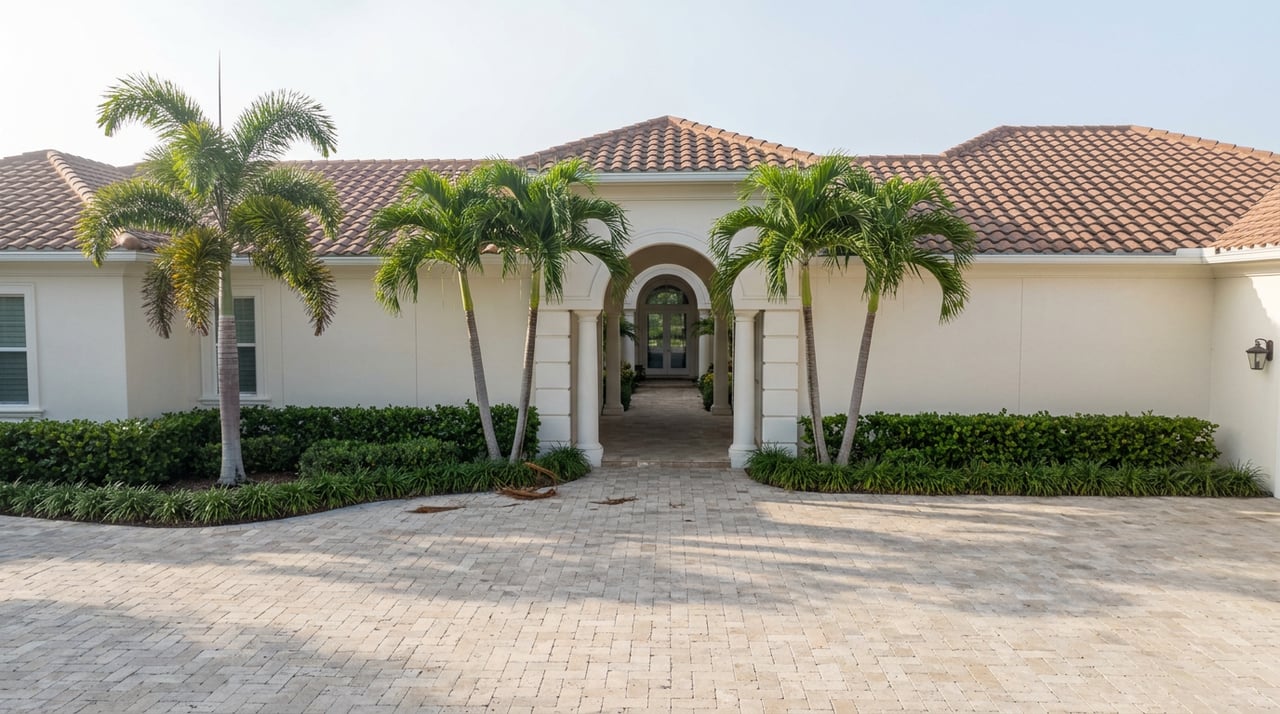
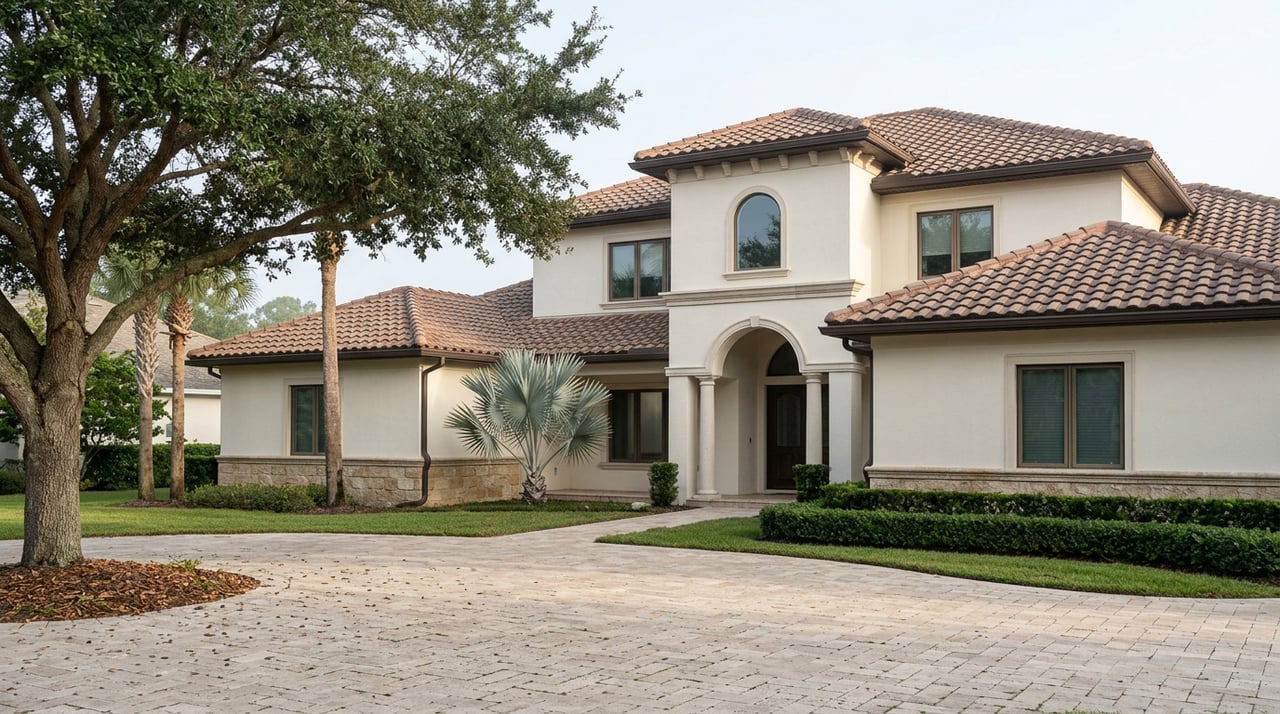
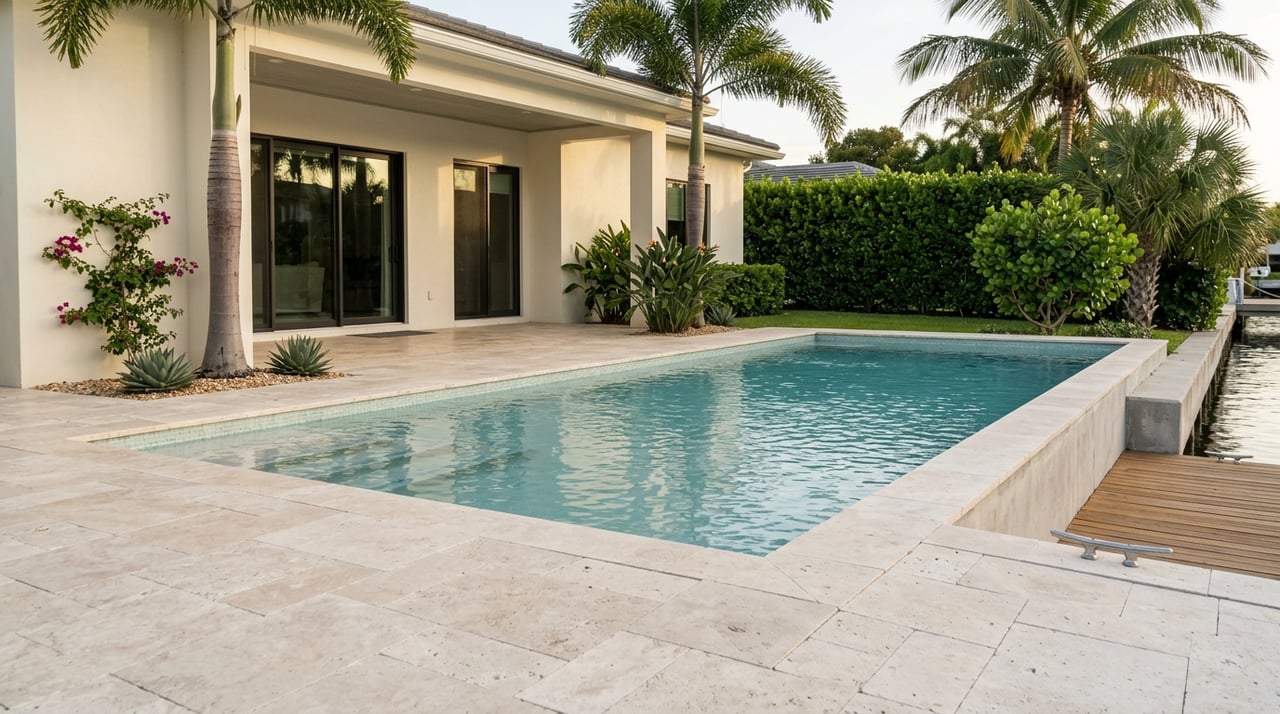
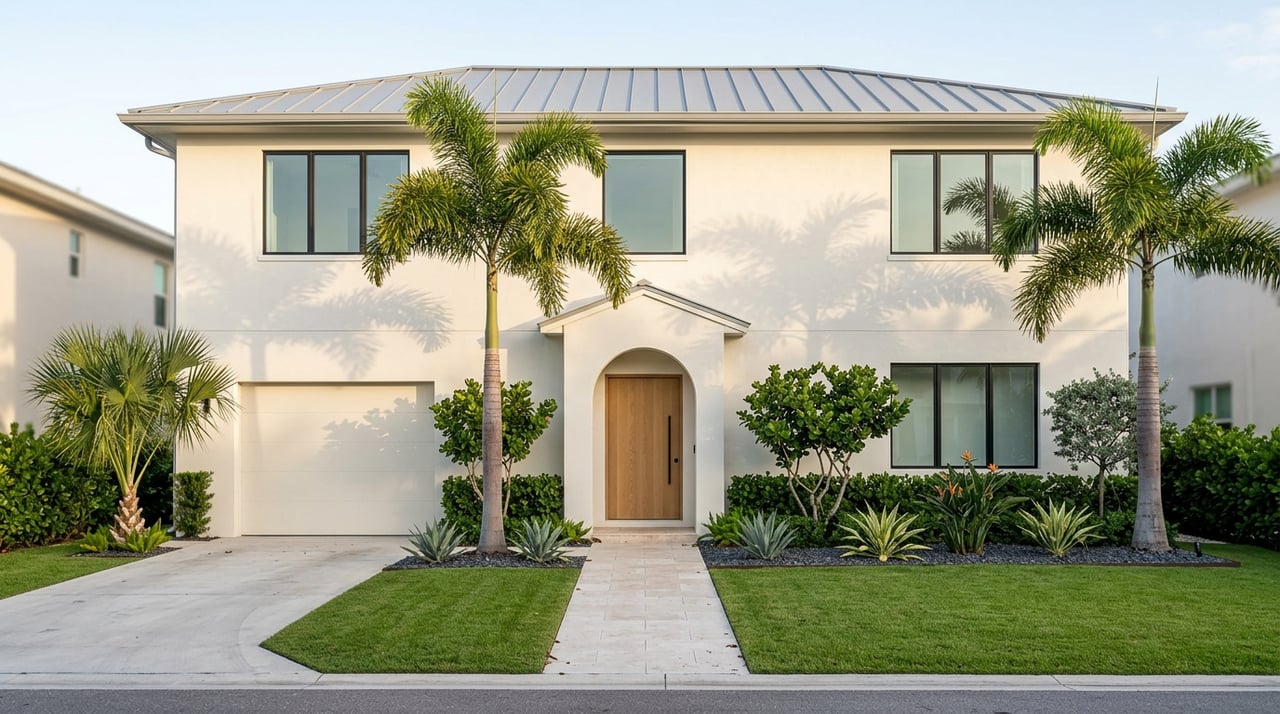
One of the most important things to know is that Sebastian’s waterfront housing is not one-size-fits-all. The city’s zoning map includes districts such as Commercial Riverfront, Commercial Waterfront Residential, and Residential Multi-Family. The Commercial Waterfront Residential district is intended to preserve riverfront character while allowing a mix of recreational, residential, and commercial uses.
In real terms, that means you should expect a patchwork of property types rather than one uniform waterfront pattern. Depending on where you look, you may find single-family homes, condo-style options, mixed-use surroundings, or properties with a more flexible riverfront setting. That variety can be a strength, but it also means each property needs to be evaluated on its own merits.
This is where a careful home search matters. Two waterfront homes can both look appealing online while offering very different ownership experiences once you factor in dock rights, use restrictions, and access to the water.
Water Access Is Not Always the Same
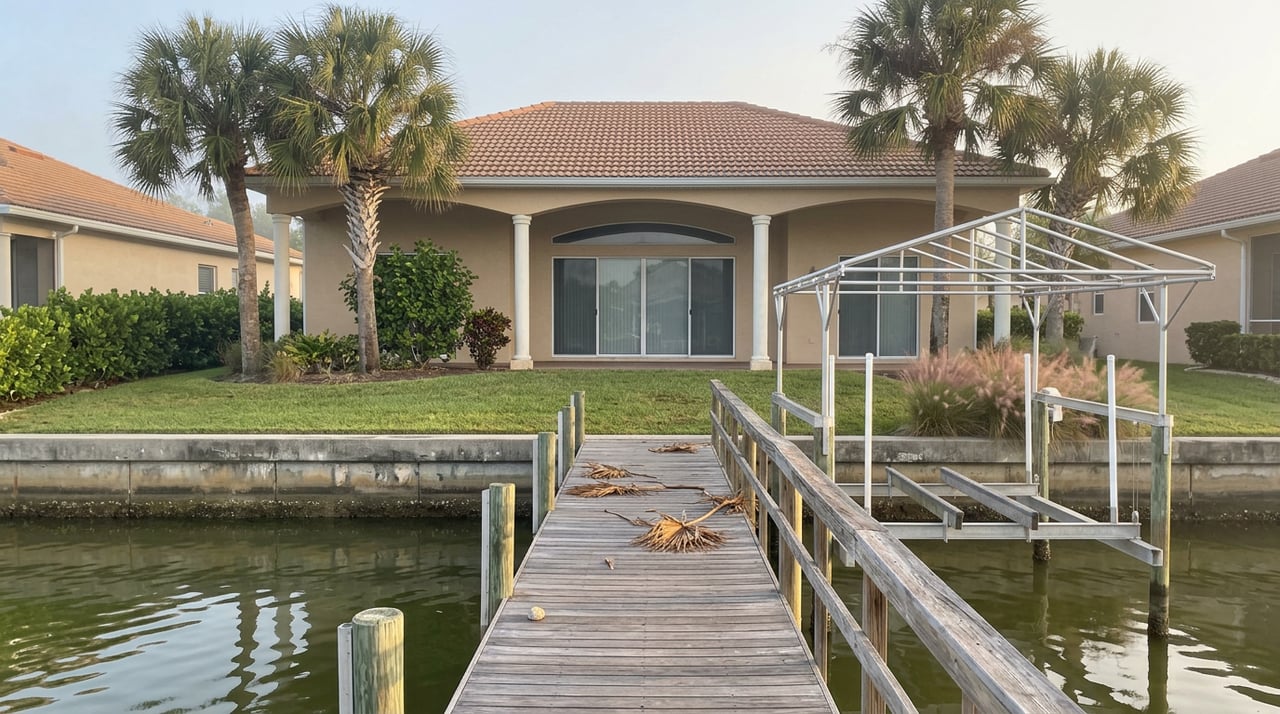
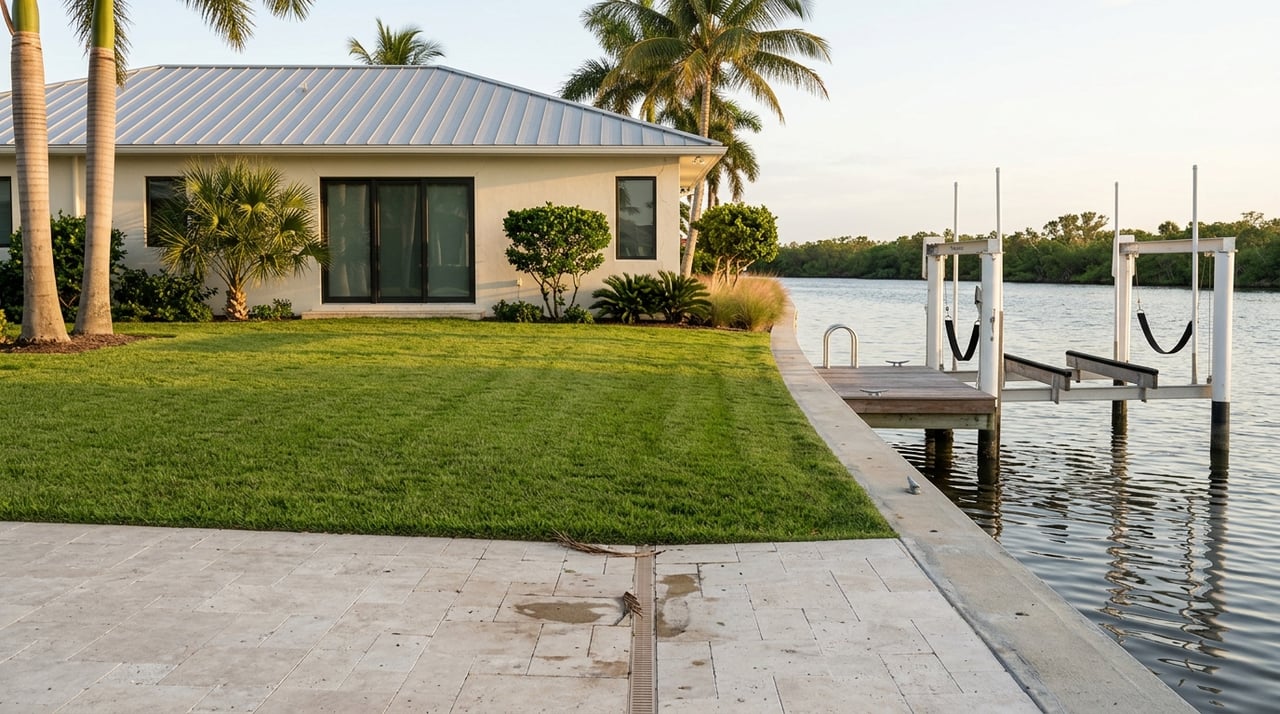
When buyers picture waterfront living, they often assume direct private access. In Sebastian, that is not always the case. Some homes may have private docks, some may rely on nearby public ramps or marina access, and others may offer shared or limited-use arrangements.
That is why it helps to ask very specific questions early. You will want to know whether the water access is private, shared, deeded, or effectively off-site. If boating is central to your lifestyle, this should be one of the first items you confirm.
You should also look beyond whether a dock exists. A dock that fits a kayak or skiff may not work the same way for a larger boat, and convenience can vary a lot from one property to another.
Docks, Lifts, and Seawalls Need Permits
In Sebastian, waterfront structures are regulated, and that matters during a purchase. The city code says docks, piers, wharves, associated pilings, and davits or lifts require a building permit along with any other applicable state or federal permits. Those structures also must not interfere with neighboring riparian rights.
Indian River County also states that a permit must be obtained before dock or pier construction begins. For you as a buyer, this means improvements along the shoreline should never be treated as informal extras. They are part of the property’s legal and functional profile.
If a home has a dock, lift, seawall, riprap, or dredging work, ask the seller for permit history and final approvals. This can help you avoid surprises after closing and gives you a clearer picture of whether existing improvements were completed properly.
Flood Zones Should Be Part of Your Due Diligence
Flood-zone review is a standard part of buying waterfront property in Sebastian. The City of Sebastian says its Community Development Department can provide the flood zone, map panel number, and FIRM date for a property within city limits. FEMA’s Flood Map Service Center is the official source for flood-hazard mapping products under the National Flood Insurance Program.
For you, this means flood documentation should be reviewed early, not after you are deep into the contract process. You should confirm the property’s flood zone and ask whether an elevation certificate is available. Those details can affect both your comfort level and your ownership costs.
A great view and a strong location are important, but so is understanding how the property sits from a flood-risk standpoint. On a waterfront purchase, this is simply part of smart preparation.
Boating Is a Big Part of Life Here
Sebastian has a strong launch-and-go boating culture. The City of Sebastian operates two public boat-ramp facilities: the Yacht Club on Indian River Drive and the Main Street Park & Boat Ramp in the Sebastian Waterfront District. The Yacht Club offers a dual concrete ramp, trailer parking, a fishing pier, dock areas, and quick access toward Sebastian Inlet and the Atlantic Ocean.
That kind of public access can be a real advantage, especially if you love boating but do not need a private dock at home. It can also open up more housing options if you are willing to store your boat elsewhere. In a market like Sebastian, that flexibility can expand your search.
Indian River County notes that there are 23 miles of the Indian River Lagoon to explore in Indian River County. The county also encourages clean boating practices such as securing trash, using pump-out facilities, avoiding seagrass when anchoring, and keeping up with engine maintenance. In other words, boating here is both a lifestyle and a responsibility.
Storage and Marina Access Matter More Than You Think
If a property does not have ideal private dockage, storage can become a major part of your decision. Local commercial options exist, but availability and pricing should always be verified directly. Sebastian Inlet Marina advertises 240 dry-storage spaces, 18 slips, and amenities that include a fuel dock, pump-out, water hookup, and restrooms with showers.
Sebastian Saltwater says it can accommodate power boats up to 50 feet and offers monthly rental slips on a first-come basis. The research also notes a planned Old Florida Boat & RV Storage location on US-1 in Sebastian expected to open in Spring 2026 with covered storage spaces. If you plan to keep a boat nearby, these details are worth reviewing before you buy.
There is one more important caveat. Sebastian Inlet State Park notes that marina operations and certain concession services are temporarily unavailable as of July 28, 2025. If park-based boating services are part of your plan, verify current status rather than assuming they are available.
Ask About Water Depth and Boat Fit
Not every waterfront property works for every boat. Usable depth at low tide can affect whether you can comfortably launch, dock, or navigate from a given location. That is why buyers should ask what size or draft boat the access can realistically handle.
This is not just a technical detail. It directly affects how often and how easily you will be able to use the water. A home can sound perfect for boating until you learn that low-tide depth changes the experience.
The same logic applies to nearby marina options. For example, local listings vary, and Sebastian Saltwater says its basin draft is 5 feet at low tide. If boating is central to your plans, matching the property and storage setup to your vessel should be part of your buying strategy.
Understand Rules on Live-Aboards and Use
Waterfront buyers sometimes assume they will have maximum flexibility once they own near the water. In Sebastian, that is not always the case. The city’s code prohibits permanent live-aboards in its waterways.
The code allows transient live-aboards only in commercial marinas that provide pump-out facilities. If that lifestyle matters to you, it needs to be verified before you rely on it. You should also ask whether trailer parking, off-site storage, or other boating-related uses are limited by the city, an HOA, or a condo association.
Rules like these do not necessarily make a property less appealing. They simply shape how you can use it, and the best time to learn that is before you buy.
A Smart Waterfront Buying Checklist
When you tour waterfront property in Sebastian, keep your questions practical and specific. A beautiful shoreline setting is only part of the story.
Here are a few smart questions to bring into your search:
- Is the water access private, shared, deeded, or off-site?
- Can the seller provide permit history for docks, lifts, seawalls, riprap, or dredging work?
- What is the FEMA flood zone, and is an elevation certificate available?
- What is the usable depth at low tide?
- What size or draft boat can the property or nearby marina actually handle?
- If there is no private dock, where will the boat be stored?
- How close is pump-out access?
- Are there any city, HOA, or condo rules that affect live-aboards, trailers, or storage?
These are the kinds of questions that turn a dream into a well-informed decision. In a waterfront market with varied property types and real environmental and regulatory considerations, details matter.
Sebastian offers a calm river-town feel, strong boating access, and a lifestyle shaped by the Indian River Lagoon. For many buyers, that combination is exactly the draw. If you go in with clear expectations and thoughtful due diligence, you will be in a much better position to find a property that truly fits the way you want to live.
If you are considering a move on the Treasure Coast and want a calm, well-organized approach to your search, Danielle M. Reidy can help you evaluate waterfront opportunities with clarity and confidence.
FAQs
What makes Sebastian, Florida appealing for waterfront living?
- Sebastian offers a small river-town setting, access to the Indian River Lagoon, nearby boating and beach amenities, and a lifestyle centered on fishing, nature, and outdoor recreation.
What should buyers verify about Sebastian waterfront docks?
- Buyers should verify permit history, final approvals, and whether any dock, lift, pier, seawall, or related structure complies with city and county requirements.
How can buyers check flood-zone information in Sebastian?
- The City of Sebastian says its Community Development Department can provide flood-zone details for properties within city limits, and official flood-hazard mapping products are available through FEMA’s Flood Map Service Center.
Are there public boat ramps in Sebastian, Florida?
- Yes. The City of Sebastian operates the Yacht Club boat ramp on Indian River Drive and the Main Street Park & Boat Ramp in the Sebastian Waterfront District.
Can you live aboard a boat in Sebastian waterways?
- Sebastian prohibits permanent live-aboards in its waterways, and transient live-aboards are allowed only in commercial marinas that provide pump-out facilities.
What boating questions should buyers ask about a Sebastian waterfront home?
- Buyers should ask about water depth at low tide, the size or draft of boat the property can handle, nearby ramp or marina access, storage options, and pump-out availability.